
Latest Bathroom Designs
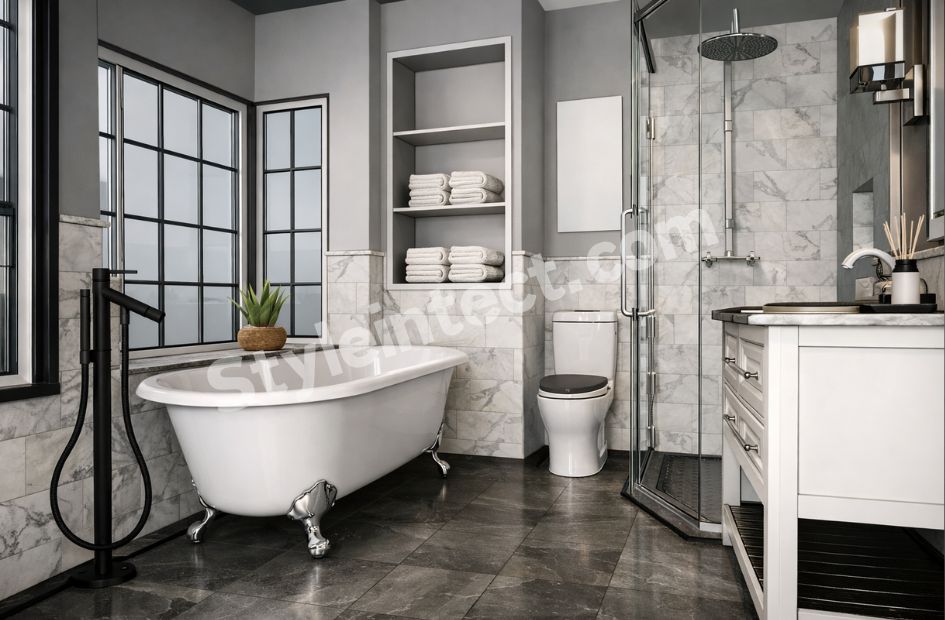
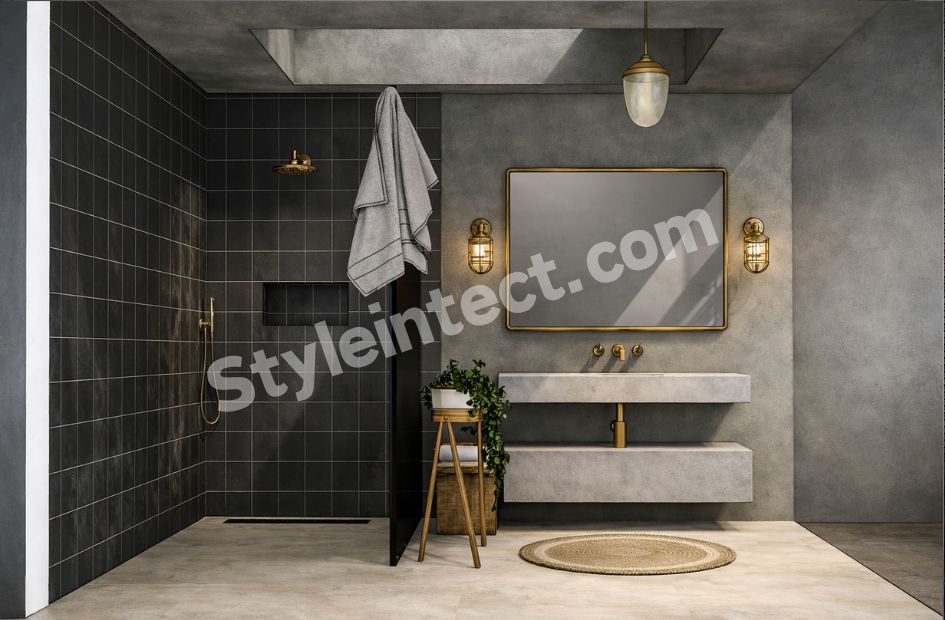
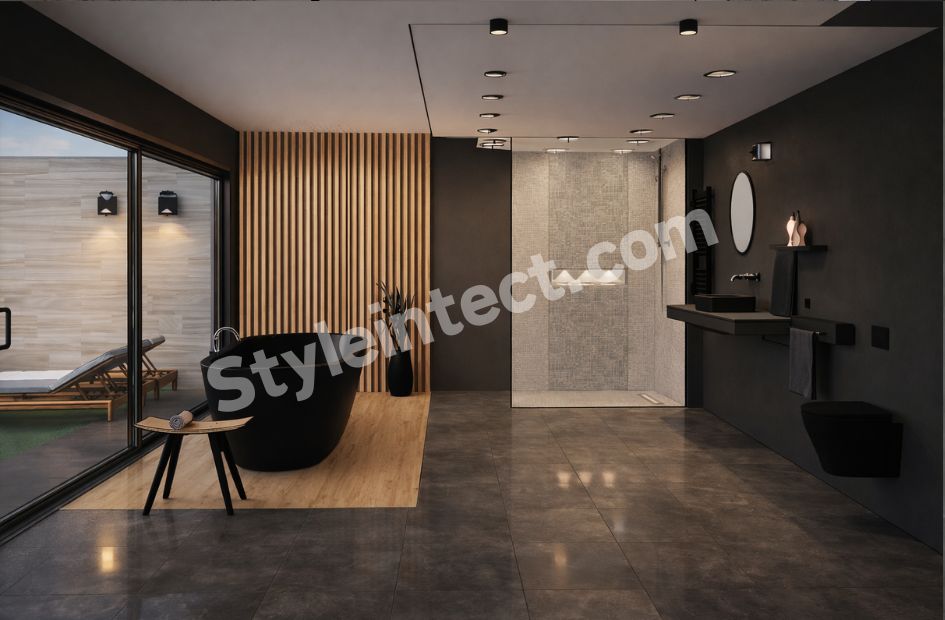
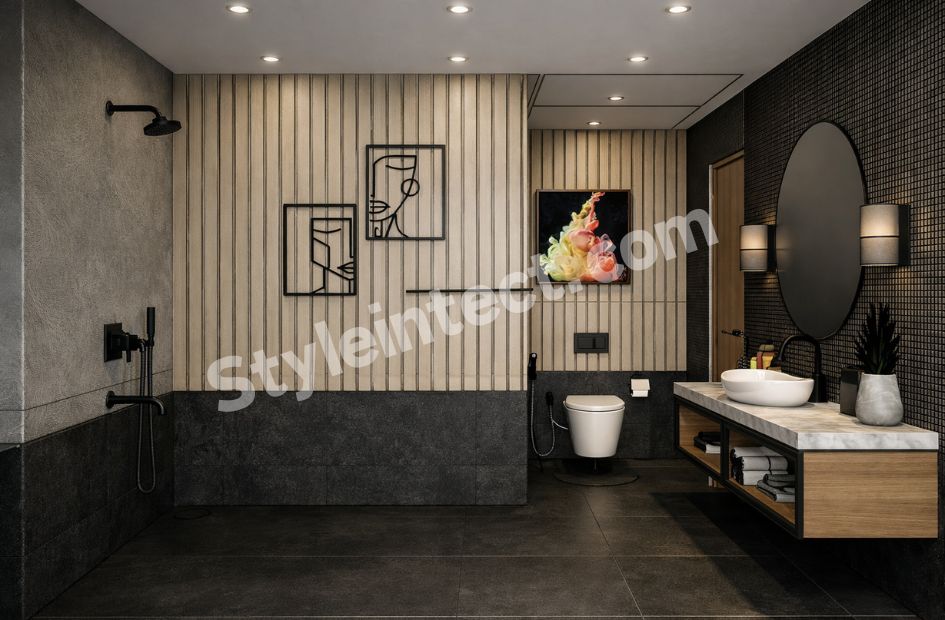
Best Bathroom Design Services for Modern, Luxury & Custom Bathroom Designs
Your bathroom design shouldn’t feel like an afterthought. Bathrooms have evolved from simple utility spaces into personal retreats where you start and end each day. Bathroom designs in 2026 emphasize combining luxury with sustainability and transforming these spaces into areas where you can relax and unwind.
Professional bathroom interior design services can help whether you’re learning bathroom design ideas for a complete renovation or planning a small bathroom design on a budget. We’ll walk you through what these services include, from simple bathroom design concepts to premium custom solutions that match your unique vision.
What Bathroom Design Services Include
Professional bathroom interior design services follow a structured approach that takes you from original concept to final installation. You’ll know exactly what to expect when you hire experts for your bathroom design ideas once you understand what each phase entails.
Original Consultation and Space Assessment
The process starts with a complimentary consultation where designers visit your home to inspect and measure your bathroom. They discuss your goals during this 90-minute appointment, review remodeling options, explore design styles and products, and cover timing and costs. The designer assesses the existing layout, studies plumbing lines and electrical points, ventilation requirements, and identifies problem areas that need attention.
This original meeting isn’t about making immediate decisions. Designers review how you use the space, whether it’s a family bathroom used every morning or an ensuite designed for relaxation. They think about your storage needs and accessibility requirements, and whether a different layout could make better use of available space. Designers have everything needed to start developing your customized plan by the time the consultation wraps up.
Design Planning and 3D Visualization
Designers create detailed plans that bring your simple bathroom design vision to life after gathering your requirements. Modern services use 3D design software that lets you preview your new bathroom before any work begins. These renderings show how tile patterns and faucet finishes will look in your space, as well as every design element.
The visualization process includes 2D floor plans that establish spatial relationships and provide details for construction teams. You also get 3D perspectives that help you understand how the finished space will feel. You can see fixtures and materials, and even decorative elements like towel racks in place. This technology allows you to test different layouts, compare design options, and make adjustments before you finalize anything.
Material Selection and Sourcing
Selecting the right materials goes beyond aesthetics. Designers help you choose high-quality options that fit your budget while meeting durability requirements. They provide itemized pricing to give you transparency, showing you the cost difference between various shower valves and tile options, and fixture grades, along with their performance characteristics.
Working with professionals prevents costly mistakes. They know which products offer excellent quality and long-lasting performance, good warranties, and aftercare you can count on. They understand which materials handle humidity, hard water, and heavy daily usage best. Their expertise means you don’t select obscure brands lacking after-sales support or products that fail too soon.
Project Management and Installation
Certified experts handle the execution once designs are finalized. They manage plumbing installation and electrical work, waterproofing application, and all finishing tasks using professional-grade tools and industry standards. The design-build approach provides single-point coordination from start to finish and eliminates the hassle of managing multiple contractors.
Project managers establish clear timelines with key milestones for demolition and plumbing, electrical work, fixture installation, and finishing touches. They align the design with the construction plan through continuous collaboration. This coordinated process means fewer surprises, no gray areas about agreed costs, and reduced likelihood you’ll want changes after completion.
Post-Installation Support
Quality services don’t end when installation finishes. Teams conduct full inspections before handover to verify everything meets quality and design standards. They check plumbing connections and water pressure, fixture installation, tile finishing, and lighting systems to make sure everything works right.
Reputable providers offer warranty coverage and post-installation assistance. This support gives you peace of mind knowing that if issues arise, you have professional backing to resolve them without additional coordination headaches, and fast.
Modern Bathroom Design Services for Contemporary Homes
Modern bathroom design emphasizes simplicity without sacrificing functionality. Contemporary homes just need spaces that feel open, calm, and stylish, regardless of the actual square footage. Professional services help you achieve this balance through careful attention to fixtures, storage, materials, and color choices.
Minimalist Fixtures and Clean Lines
Minimalist bathroom design prioritizes clean lines and intentional use of space. This approach removes visual clutter by focusing on a limited color palette, streamlined fixtures, and materials that are both functional and beautiful. The result feels open and calming. It creates an atmosphere where you can reset after a long day.
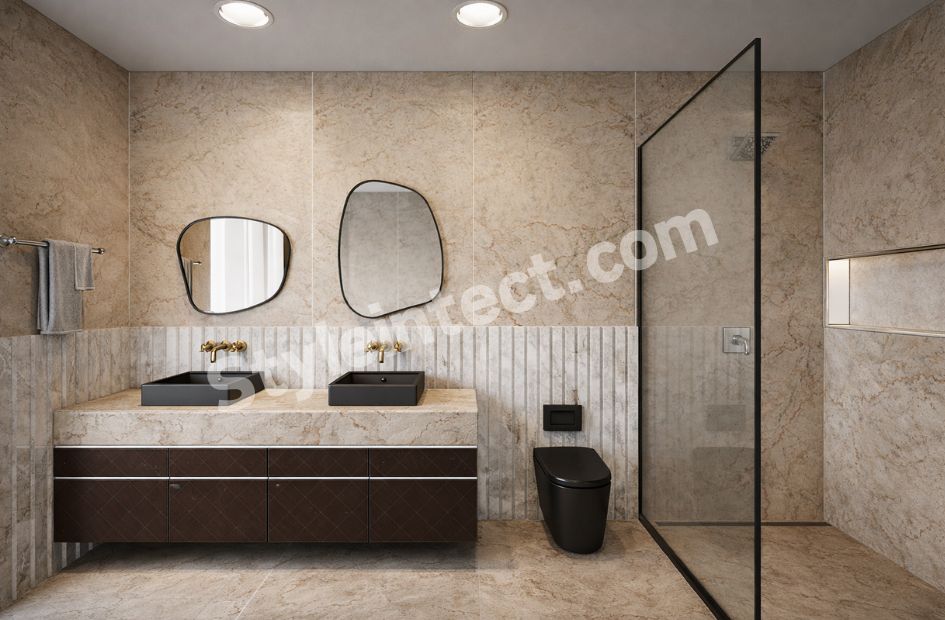
Frameless glass shower panels and screens eliminate the visual interruption of bulky frames and profiles. They keep lines clean and allow tile work or shower walls to remain the focus. A frameless screen makes the shower area feel larger, which proves especially valuable in smaller bathrooms. Frameless or minimal mirrors improve the calm, airy feel without adding unnecessary visual weight.
Streamlined fixtures and faucets keep the modern look clean and current. Matte black and brushed nickel tapware finishes have become hallmarks of contemporary minimalist bathroom design. These finishes avoid the fingerprint and watermark visibility of polished chrome while adding a refined edge. Consistency matters across all fittings, including basin mixers, showers, and bath fillers, for a cohesive result.
Smart Storage Solutions
Clutter destroys minimalist design faster than anything else. Built-in shower niches, recessed mirror cabinets, and vanities with ample internal storage keep surfaces clear. If bench space remains visible, style it intentionally rather than letting items accumulate.
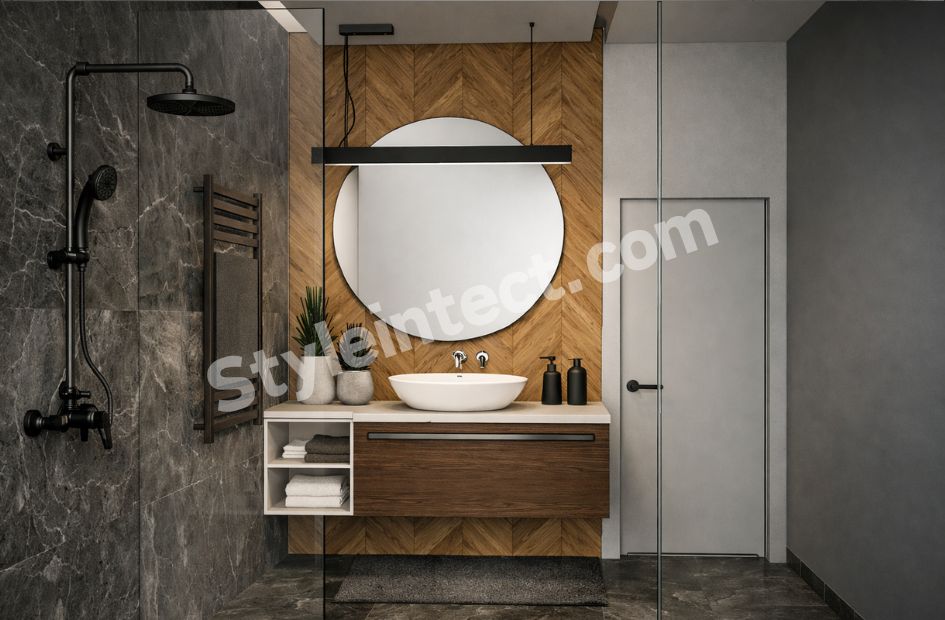
Floating vanities create an elegant design spin by reading as an extension of the architecture rather than standalone furniture. Handles get replaced with concealed grooves or push-latch mechanisms. The surface flows uninterrupted. This approach conceals generous storage while maintaining an uncluttered aesthetic. Wall-mounted cabinets add storage without sacrificing floor space. Place them strategically to optimize unused vertical space and keep bathroom necessities behind closed doors.
Recessed niches carved into shower walls hold necessities perfectly, but you can experiment with multiple overlooked surfaces. Medicine cabinets with adjustable shelves accommodate products of varying heights. They optimize wall space while keeping necessities at eye level.
Glass Shower Enclosures
Glass shower enclosures serve dual purposes. They provide functionality while improving overall aesthetics. They maintain hygienic wet and dry zones by keeping water within the shower area and preventing bacteria, mold, and odors from developing. A shower cubicle substantially reduces slipping risks by preventing water flow across the bathroom floor. This safety feature proves especially beneficial for homes with elderly family members and children.
Frameless glass shower cubicles, made with toughened glass and minimal or no metal framing, offer a sleek, modern, and visually spacious look. They remain perfect for contemporary bathrooms and are easier to clean due to fewer hardware components. Framed enclosures provide more visible hardware and structure but remain more budget-friendly.
Different types suit various bathroom layouts. Sliding shower doors operate smoothly on tracks. They work well for compact or narrow bathrooms where door swing space is limited. Corner walk-in shower enclosures optimize space without compromising comfort and offer easy access. The modern experience is ideal for both small and spacious bathrooms.
Neutral Color Palettes with Bold Accents
Starting with a color palette is one of the easiest ways to set the tone for your whole space. Soft neutral palettes like warm whites, oatmeals, clay, or putty tones create a timeless foundation. These colors establish a calming atmosphere perfect for daily routines.
A consistent tile palette across floors and walls removes visual boundaries that make a room feel divided. White, off-white, warm gray, greige, and soft stone tones are the most popular choices for minimalist bathrooms. These neutrals create a cohesive, calm feel and pair well with matte black or brushed nickel tapware and fittings.
Gray adds a soothing atmosphere, from light shades of silver to deeper charcoal hues. Your bathroom can feel like a luxurious oasis when paired with sleek floating vanities and medicine cabinets. Neutral, earthy tones like beige, bone, taupe, and warm grays combine the minimalism of Japanese aesthetics with the warmth of Scandinavian style. The result feels grounded, airy, and calming.
Bold accents give neutral spaces personality without overwhelming the design. Modern coastal charm blends soft neutrals with coastal blues and hits of brass for warmth. Choose bold black lines in furniture, shower doors, and mirrors against light brown walls for a more contemporary look.
Luxury Bathroom Design Services for Premium Spaces
Premium bathroom interior design transforms your space into a sanctuary that rivals five-star resorts. Luxury services prioritize exceptional materials and custom fixtures. Sensory details create an immersive experience beyond simple functionality.
Marble and Natural Stone Installations
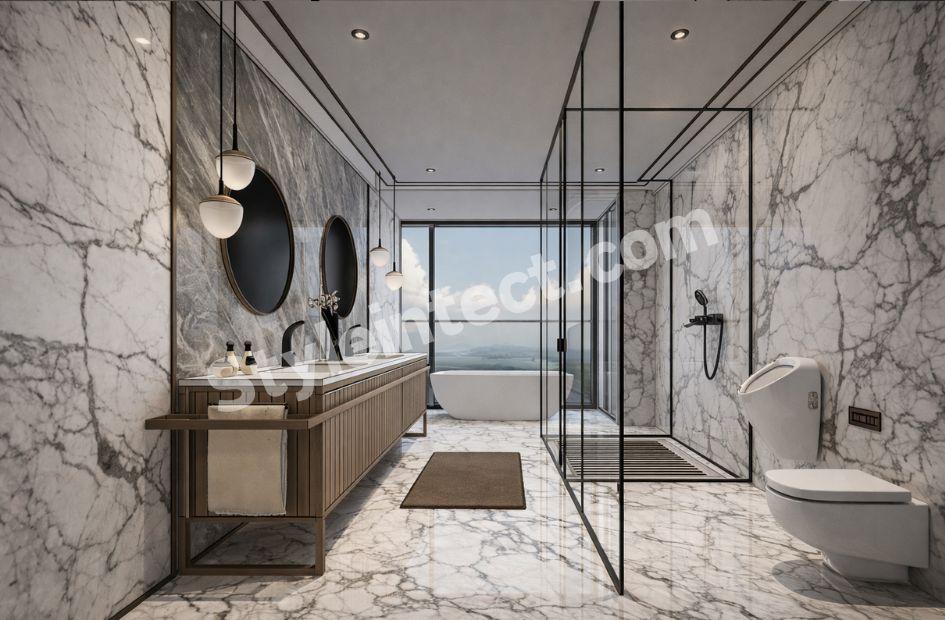
Marble has been the material of choice for bathhouses and palaces for centuries. Its natural veining and unique variations create an atmosphere of elegance that porcelain simply cannot replicate. The cool-to-the-touch surface adds to this effect. Each stone slab is unique and makes your bathroom a very personal space.
Carrara Bianco impresses with its radiant white color. It shows colored marbling depending on mineralization. Calacatta Gold features bold, thick veins of gray and distinctive taupe-gold that emphasize drama. A statement shower wall in this marble feels like a five-star hotel. Arabescato Marble has dusty grays and an egg-white background. It hides toothpaste splashes and water marks better than pure white stones.
Dark marble creates striking contrast. Nero Marquina is a deep black marble with striking white lightning-bolt veins. It creates a moody, masculine, and ultra-modern aesthetic. Pairing it with gold brassware delivers a regal look. Verde Guatemala brings cool, elegant, and deep dark green tones. These add noblesse to your bathroom, especially when combined with gold or brass.
Stone provides durability and natural variation. This eliminates sterility. Wood introduces warmth and unique grains. The organic contrast complements solid stone, white walls, and other bathroom palettes. Apply sealant to the surfaces regularly to prevent porosity. This increases the longevity of natural stone and wood in bathrooms.
Freestanding Tubs and Walk-In Showers
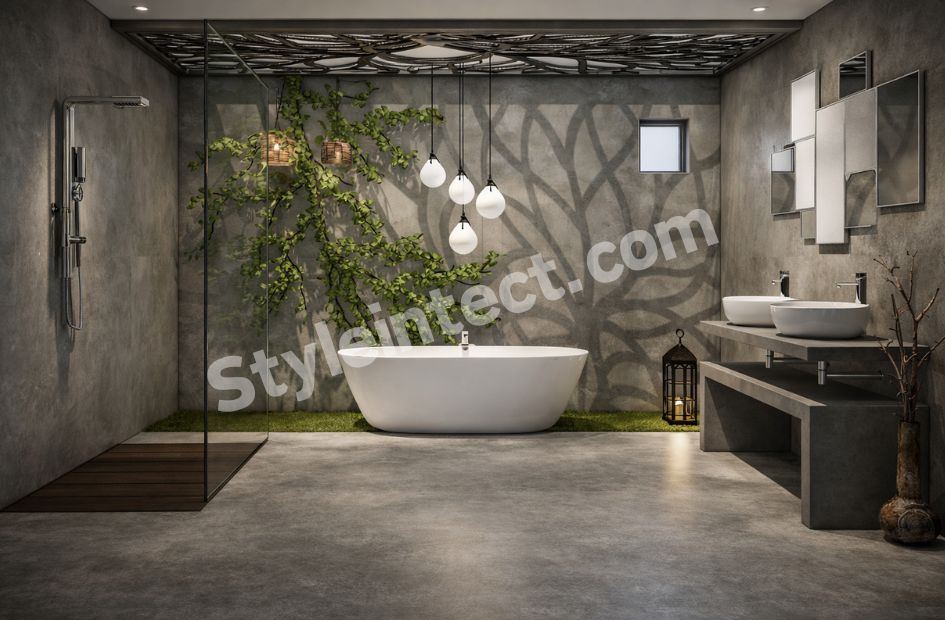
Freestanding tubs serve as sculptural focal points. They strike a balance between practicality and aesthetics. These elegant, independent designs add a touch of sophistication to any bathroom space. A large soaking tub can serve as a centerpiece. A glass-enclosed shower with multiple jets and steam options mimics the amenities of high-end resorts.
Luxury wet rooms offer enough space for showerheads on one side and a large soaking tub on the other. Discreet drains sit on both ends. This design separates shower and tub fixtures from the rest of the bathroom. Walk-in bathtubs feature a low threshold and a door that aids stepping in. Bathing becomes safer and more comfortable, especially if you have mobility challenges.
Advanced bathing and showering fixtures include rain and storm showers. Waterfall tub fillers and deck-mount fillers with gooseneck spouts are also popular. Built-in benches and niches for candles or oils offer both style and practical comfort. Heated towel racks do the same.
High-End Lighting and Fixtures
Layering remains the sought-after approach. It combines ambient, task, and accent lighting to support functionality and mood. Soft ambient cove lighting in high ceilings provides a gentle, overall glow. It reduces harsh shadows and creates a serene backdrop. Task lighting in vanities and mirrors provides clarity for grooming. Adjustable or dimmable sources offer flexibility.
Bronze is a popular choice in high-end settings. It offers an elegant, aged appearance that complements natural materials and neutral palettes. Bronze works as a go-to finish for shower heads and sinks. It blends naturally with natural stone and wood finishes. Brushed and satin metals also provide warm accents that work with most color schemes.
Spa-Like Features and Amenities
Hydrotherapy amenities such as body jets, rainfall showers, and whirlpool tubs are a great way to get an opulent bathing experience. They ease sore muscles and encourage relaxation. Aromatherapy diffusers and scented candles can introduce soothing scents such as eucalyptus or lavender into the bathroom. This creates a peaceful environment that promotes stress relief.
Smart showers with customizable settings and built-in sound systems for music therapy boost the spa-like experience. They accommodate homeowners’ tastes. Adding organic components like plants, wood, and stone can promote a calm atmosphere. They create a connection to the outside world.
Custom Bathroom Solutions for Unique Requirements
Not every bathroom fits standard templates. Specific requirements call for specialized bathroom design ideas that address budget constraints, cultural priorities, spiritual considerations, or accessibility needs without compromising on style or functionality.
Small Bathroom Design on a Budget
Paint remains one of the most affordable transformations you can make. Light or neutral tones like white, beige, or light gray brighten compact spaces instantly and make them feel larger. Painting the ceiling the same color as the walls blurs boundaries and expands the area visually.
Strategic tile placement saves money while creating effect. Install tiles only where needed, such as behind the sink or inside the shower. Pairing decorative tiles with affordable plain options creates contrast without added cost. Arrange tiles in a pattern that elongates walls vertically and gives an illusion of height.
Keep your existing plumbing layout intact to avoid expensive relocations. Switch to wall-mounted vanities or compact WCs that free up visual space and improve functionality instead. Replacing a floor-standing WC with a wall-hung model makes the room appear larger and the floor easier to clean.
Refinishing beats replacing when fixtures remain sound structurally. Resurfacing or reglazing porcelain bathtubs, ceramic tiles, and sink surfaces breathes new life into tired elements at a fraction of replacement costs. Upgrading taps, showerheads, or drawer pulls with sleek chrome or matte finishes modernizes the space without requiring full renovation.
Bathroom Design with Indian Toilet Integration
Tight floor plans in metropolitan cities require thoughtful layouts that balance traditional needs with contemporary aesthetics. Corner wall-mounted Indian style water closets make smart use of underused spaces and free up the center for easy movement. Wall-hung toilets create a floating effect that expands floor area visually while concealing the cistern for a sleek, clutter-free design.
Dividing wet and dry areas makes even compact bathrooms more efficient. A simple glass partition keeps the toilet and vanity on the dry side for cleanliness and function. Built-in tiled wall niches around the toilet hold essentials neatly while maintaining a streamlined design. Statement tile walls behind the toilet add depth without overwhelming the room.
Floating vanities provide storage while keeping floor areas open and easy to clean. Full-length mirrors double the space visually, while bracket lighting adds soft illumination that makes small toilets feel open and inviting.
Vastu-Compliant Bathroom Layouts
The northwest corner remains the ideal bathroom direction according to Vastu principles and helps eliminate negativity from the house. Avoid placing bathrooms at the center, southwest, or northeast, as these locations can disrupt balance and lead to troubles[182].
For south-facing toilets, keep the lid and door closed when not in use. Place a bowl of rock salt to absorb negative energies and replace it weekly[182]. East-facing bathrooms benefit from light-colored tiles, good ventilation, and small plants to balance interrupted energy flow[182].
Wooden doors block negative energies from spreading, while metal doors conduct and disperse negative vibrations[182]. Install electrical fixtures like geysers in the southeast corner and line them up with the fire element for safety[182]. Light tones like beige and cream work best, while dark colors should be avoided[182]. Mirrors belong on north or east walls to reflect natural light and eliminate darkness[182].
Available and Elderly-Friendly Designs
Elevated toilets make sitting and standing easier for seniors. Normal toilet pan heights range between 420 and 460 millimeters, but heights of 500 to 550 millimeters work best for elderly users. Fitting a thicker toilet seat raises the seating height easily if replacing the toilet isn’t feasible.
Grab bars provide support near toilets, in showers, and beside baths when anchored to walls properly. Lever mixer taps allow seniors to turn on and adjust water temperature with one hand. Choose chunkier styles without sharp corners that can scratch delicate skin.
Walk-in showers with barrier-free entry eliminate high edges that pose tripping risks. Built-in seating provides stability during bathing, while removable shower heads on rails make showering easier. Non-slip flooring with textured tile or vinyl provides added grip in wet conditions. Adequate lighting eliminates shadows and improves visibility, reducing accident risks.
Key Elements Professional Services Handle
Behind every great bathroom lies technical precision that most homeowners never see. Professional services handle complex elements that determine whether your bathroom interior design functions flawlessly or develops problems within months.
Bathroom Tiles and Design Selection
Ceramic and porcelain remain the most popular tiling options because of their durability and ease of maintenance. Porcelain tiles are preferred as they’re denser and less porous than standard ceramic. Always go for a matte finish, textured, or anti-skid tile, as they provide good grip. Glass tiles should never be used on the floor because they are slippery. Natural stone tiles like terracotta and cement need maintenance because they are porous and require periodic sealing.
Vanity and Storage Design
Vanity material choice defines durability, appearance, and maintenance requirements. Wood vanities provide warmth but require moisture-resistant treatments. Floating wall-mounted vanities prove popular in apartments for airy, space-saving areas. They are made with plywood or PVC to withstand humid conditions. Stone vanities like marble or granite provide luxury with unique patterns and are known for durability and resistance to wear.
Plumbing and Electrical Work
Hot water lines are laid with CPVC pipes. Cold water lines use UPVC pipes. A pressure test is conducted afterward to check for leakage in the new plumbing lines. All outlets near water must be GFCI-protected, and all connections must meet local codes. Each plug point for geysers, hairdryers, and appliances needs to be considered during planning.
Lighting Design and Installation
Layered lighting combines ambient, task, and accent sources for balanced illumination. A color temperature between 3000K and 4000K provides a comfortable balance between warmth and clarity. Choose fixtures with a Color Rendering Index of 90 or above for accurate color representation. Lights near showers and bathtubs should have an IP65 or higher rating.
Ventilation and Waterproofing
A bathroom needs an exhaust fan capable of 50 cubic feet per minute airflow. The approximate ratio for exhaust fans is 1 CFM per square foot. Waterproofing includes base coat application, sunken slab filling with the brick bat coba method, and top coat waterproofing. Professional contractors employ liquid-applied or sheet membranes over cement board to create continuous moisture barriers.
How to Choose the Right Bathroom Design Service
Selecting the right service requires you to analyze multiple factors beyond pricing. Each decision point reveals how well a provider aligns with your bathroom design ideas and execution standards.
Portfolio and Past Projects Review
You should review completed projects that match your desired style. Look for verified examples showing minimalist designs, luxury installations, or small bathroom design on a budget solutions. Portfolios reveal a designer’s range and attention to detail. They also show whether the designer knows how to handle simple bathroom design through complex custom work.
Budget Planning and Transparent Pricing
You need to know your budget beforehand and stick to it as much as possible. Design packages vary a lot. To name just one example, custom design services start at INR 58,981.94 with three virtual meetings and photorealistic renderings. Express options begin at INR 25,229.75. Premium full-service approaches can reach INR 675,043.61. Avoid vague estimates. Your provider should offer clear quotes outlining labor and materials. They should also include potential add-ons to prevent surprise charges.
Timeline and Project Duration
Standard bathroom renovations take 4 to 8 weeks from start to finish. Projects are completed within 15 to 25 days in ideal scenarios. Design finalization alone spans from a few minutes to several weeks, depending on complexity. Services with professional designers communicate predicted timelines clearly.
Customer Reviews and Testimonials
Client feedback reveals professionalism and communication quality. It also shows problem-solving abilities. Testimonials highlighting on-time completion and budget adherence indicate reliable partners. Responsive project management is another sign of a good fit for your bathroom interior design needs.
Conclusion
Your bathroom deserves the same attention you give to any other room in your home. You might be planning a modern minimalist space, a luxury retreat with marble and spa features, or a small bathroom design on a budget. Professional services ensure you get results that last.
The right designer handles everything from Vastu compliance and Indian toilet integration to technical waterproofing. They prevent pricey mistakes by selecting durable materials and managing complex plumbing work.
Review their portfolio really well before choosing a service. Establish a clear budget and read client testimonials. This groundwork ensures your bathroom renovation delivers the comfort and functionality you imagine.
FAQs
Q1. What services are included in professional bathroom design packages?
Professional bathroom design services typically include an initial consultation and space assessment, detailed design planning with 3D visualization, material selection and sourcing, complete project management and installation, and post-installation support with warranty coverage. Designers handle everything from measuring your space to coordinating plumbers, electricians, and finishing work.
Q2. How can I create a modern bathroom design on a limited budget?
You can achieve a modern look affordably by painting walls in light neutral tones, using tiles strategically only in key areas like behind the sink or in the shower, keeping your existing plumbing layout to avoid relocation costs, and refinishing fixtures instead of replacing them. Upgrading small details like taps and drawer pulls also modernizes the space without major expense.
Q3. What features define a luxury bathroom?
Luxury bathrooms feature premium materials like marble and natural stone, freestanding sculptural tubs, walk-in showers with multiple jets, high-end layered lighting, and spa-like amenities such as hydrotherapy features, aromatherapy diffusers, and heated towel racks. These elements combine to create a resort-style experience at home.
Q4. How long does a typical bathroom renovation take to complete?
Standard bathroom renovations take between 4 to 8 weeks from start to finish. In ideal scenarios with efficient planning, projects can be completed within 15 to 25 days. The timeline depends on the complexity of your design, with the design finalization phase alone ranging from a few minutes to several weeks.
Q5. What should I look for when choosing a bathroom design service?
Review their portfolio to ensure they have experience with your desired style, verify they offer transparent pricing with detailed quotes covering labor and materials, confirm realistic timelines for project completion, and read customer reviews to assess their professionalism and communication quality. These factors help ensure you select a reliable partner for your renovation.