
Our Interior Projects
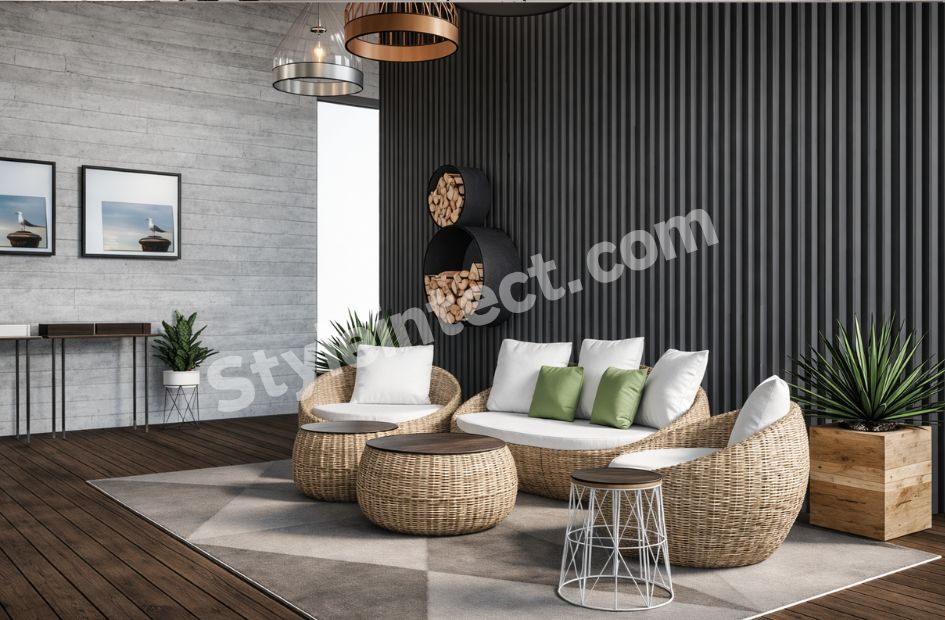
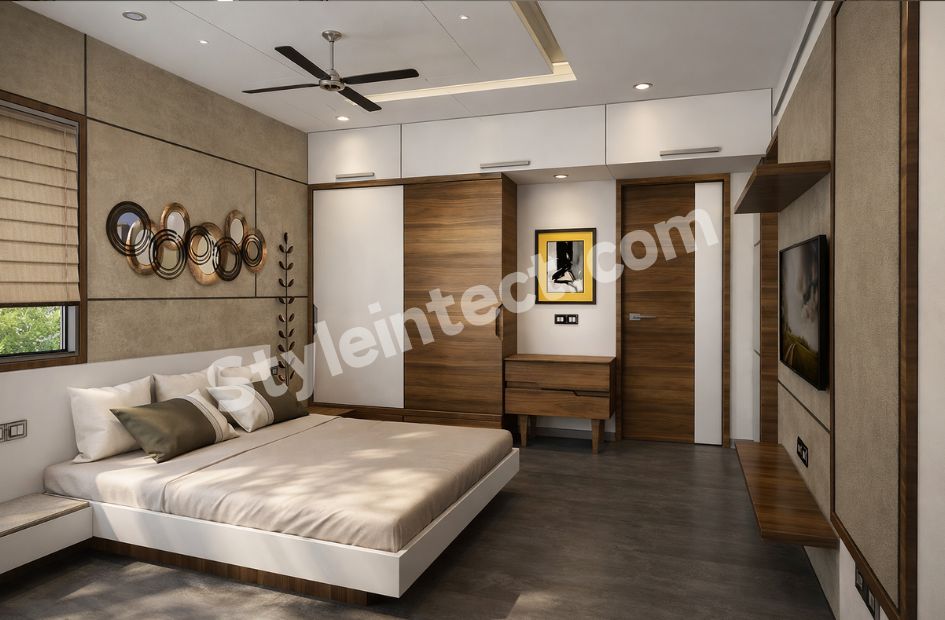
Affordable Interior Design Services for Modern and Luxury Spaces
Interior design substantially affects our daily lives and well-being. It shapes how we live and work within our spaces. This multidisciplinary field combines art and science to create environments that are functional and beautiful. Quality home design doesn’t require a premium budget. In this piece, we’ll explore affordable interior design strategies that deliver modern, luxurious aesthetics without compromise. From bedroom and living room interior design concepts to cost calculators and current interior design trends, we’ll show you how to transform your space affordably.
Types of Affordable Interior Design Services
Service offerings in the interior design industry have expanded to meet a variety of needs and budgets. Understanding these categories helps you select options that match your specific requirements.
Residential Interior Design Services
Full home interior planning will give consistency to all spaces within your residence. Layout decisions, storage planning, and material selection are arranged from the start. This avoids mismatched finishes and repeated changes during execution. This detailed approach coordinates every room and creates a cohesive design language throughout your home.
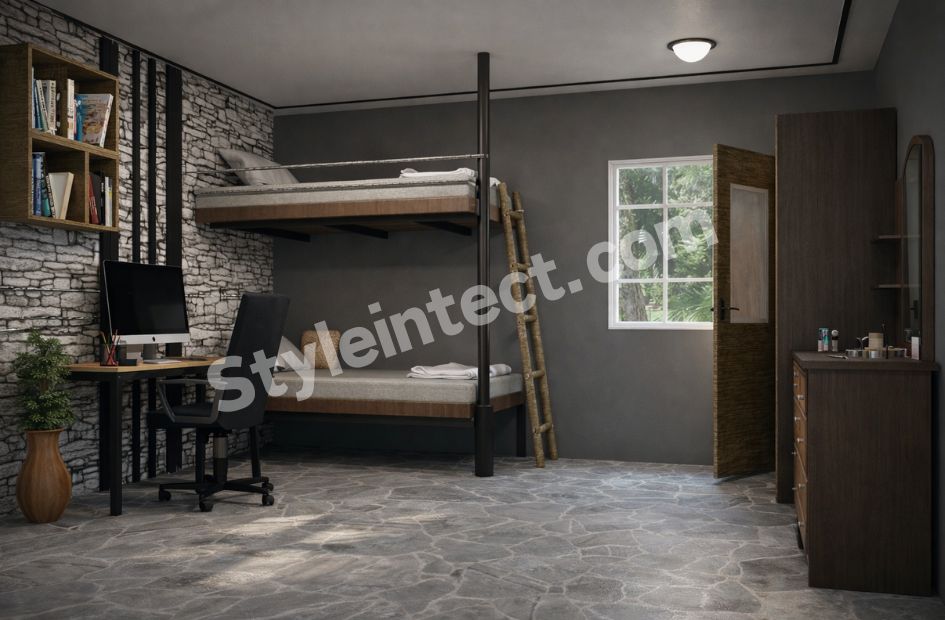
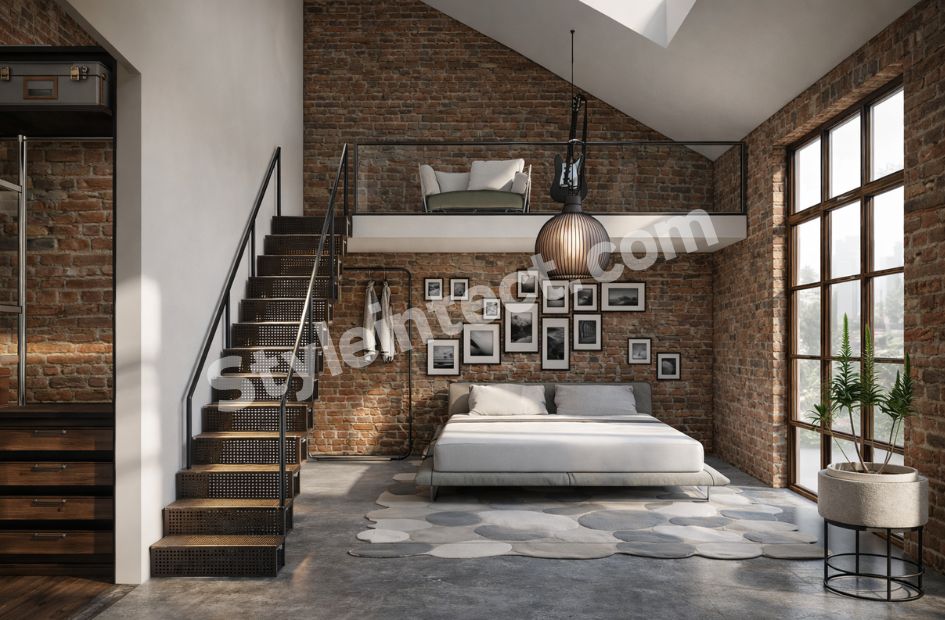
Apartment interiors just need focused attention on space efficiency. Careful placement of furniture and storage becomes paramount in compact layouts. Wardrobes often combine with loft storage. Beds include built-in drawers, and furniture integrates into the layout rather than being added later. This keeps homes functional without creating a crowded feeling.
Villa interiors just need a different approach. The emphasis moves to zoning instead of focusing solely on storage. Each area needs to connect clearly without losing proportion. Material consistency and layout flow become more important at this scale.
Commercial Interior Design Solutions
Workspace design has evolved beyond simple functionality. The interior plays a huge role in creating productive and welcoming environments, whether you run a small start-up, manage a retail shop, or oversee a corporate office. Budget-friendly commercial interior design ideas help achieve modern, functional spaces without breaking the bank.
Commercial services span multiple sectors. These include offices of all sizes, retail spaces, restaurants and cafes, hotels and hospitality venues, short-term and long-term rentals, healthcare and dental practices, educational facilities and community centers. Each sector requires specialized understanding of workflow, customer experience, and regulatory requirements.
Room-Specific Design Packages
Room-by-room renovation offers several benefits over complete house renovation. The system distributes expenses across multiple time periods. You can adjust plans based on project results and available funds. Finishing one room before moving to the next suits tight budgets better than attempting entire homes at once.
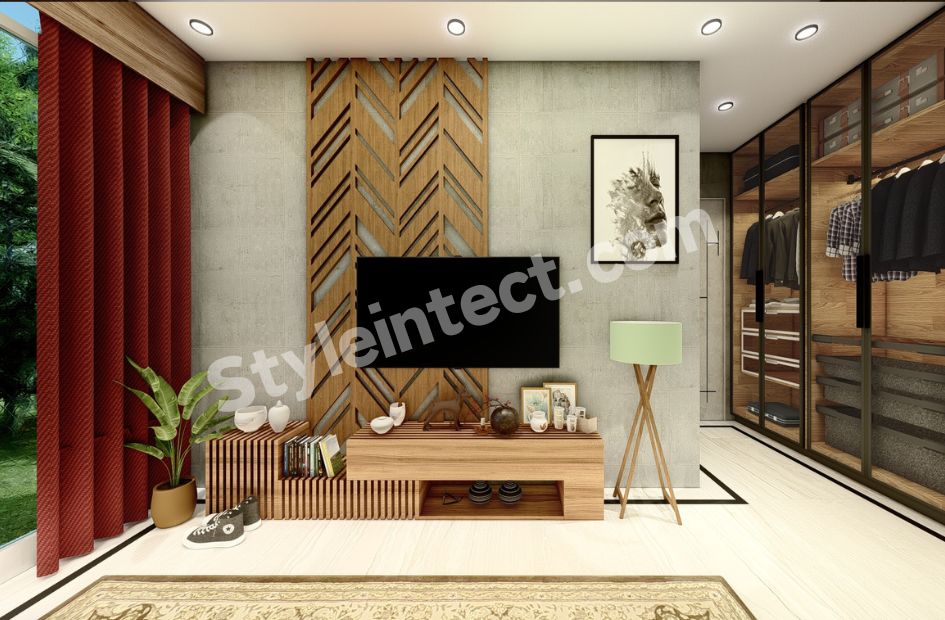
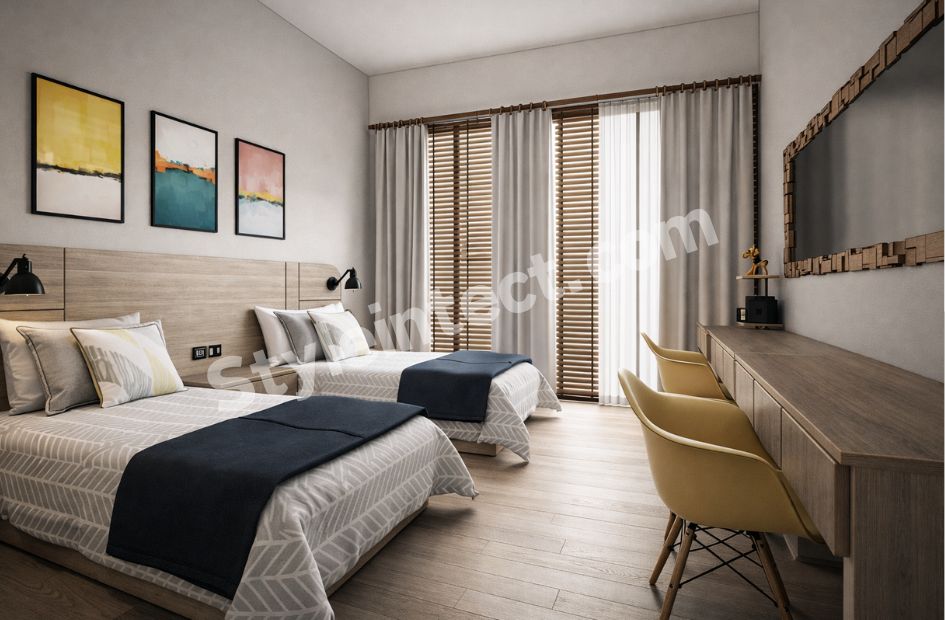
Living room design addresses spaces that often serve multiple purposes. Poor furniture placement restricts movement and makes areas feel congested. Layouts maintain openness while accommodating seating, TV units, and lighting. Bedroom design tackles storage challenges through full-height wardrobes, storage beds, and compact side units that maintain organization without blocking circulation.
Modular kitchen design focuses on workflow rather than merely maximizing cabinets. The layout should allow smooth movement between cooking, cleaning, and preparation areas. Overloading kitchens with cabinets reduces usability. Wardrobe and storage solutions integrate into the design from the start through sliding wardrobes, loft storage, and modular systems.
Modular and Semi-Modular Solutions
Modular interiors represent factory-finished components with precise measurements and complete customization options for cabinets and storage. These solutions include modular kitchens, wardrobes, TV units, bookshelves, and shoe racks in colors, designs, and sizes customized to match your home. Factory-made modules come with precision-engineered manufacturing technology. They offer 99% accuracy and lifetime warranties.
Semi-modular options blend factory-made and carpenter-crafted elements. They adapt to existing structural constraints with greater flexibility. This hybrid approach works especially when you have existing civil structures or seek more flexible installation. Semi-modular kitchens typically cost 10-15% less than fully modular counterparts. This makes them attractive for homeowners working with defined budgets.
The key difference lies in execution. Modular solutions just need complete dismantling of previously built structures. Semi-modular keeps some built-in elements like countertops and sinks while introducing modular storage units. This makes semi-modular options economical for upgrades without major renovations.
Modern Interior Design for Contemporary Homes
“Have nothing in your house that you do not know to be useful, or believe to be beautiful.” — William Morris, Designer and writer
Modern home interior design represents a distinct aesthetic movement rooted in early-to-mid twentieth-century principles. Contemporary design continuously evolves, but modern interiors follow a fairly strict format. They emphasize strong lines, a lack of ornamentation, and minimal texture, with straightforward furniture and dramatic modern art complementing stark architecture.
Key Elements of Modern Home Interior Design
Lighting functions as a key structural element in modern spaces. It accentuates planes and highlights focal points. Clean lines and natural materials define the foundation. Furniture is characterized by low, horizontal pieces and simple forms focused on function. Surfaces remain smooth with little to no ornamentation. Geometric shapes appear frequently without intricate detailing or curves.
Natural materials such as wood, leather, glass, and stone create warmth within the neutral, earthy color palette typical of modern interiors. The monochromatic scheme has whites, beiges, and grays that establish visual calm. Vibrant artwork, accent walls, or carefully selected pillows can introduce color without much of either. This adds visual interest while maintaining design purity.
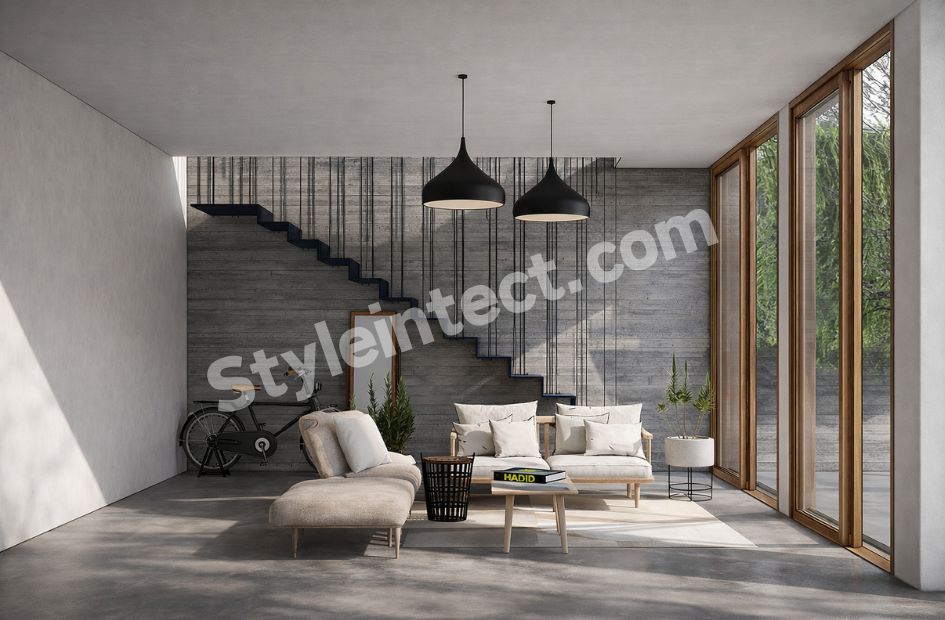
Uncluttered spaces and natural light remain paramount. Open floor plans remove barriers between rooms. Large unadorned windows create lighter, airier environments. This emphasis on negative space allows each design element to breathe and exist harmoniously.
Minimalist Approaches and Clean Lines
Minimalism originated from the De Stijl movement in the Netherlands and the Minimalist art movement in the 1960s. Architects like Mies van der Rohe and Le Corbusier embraced these principles. The approach celebrates functionality, where every piece serves a practical purpose beyond mere decoration.
Multi-functional furniture cleverly conceals storage space. Wall-mounted shelves maximize vertical real estate. Furniture placement follows the less-is-more principle and allows each piece to breathe within the space. Sleek profiles with straight legs, sharp angles, and smooth surfaces lend themselves beautifully to the clean aesthetic.
Simple geometric forms infuse spaces with elegance and order. Bid farewell to ornate detailing and lavish embellishments. Streamlined profiles take their place. Natural light dances freely through sheer curtains or blinds that open fully during the day. Large windows and skylights create smooth outdoor connections.
Smart Home Integration in Modern Spaces
Smart home technology plays a prevalent role in interior design plans these days. The American Society of Interior Designers stated in 2022 that most homes would have between two and three smart devices in the coming years. Smart lighting solutions are some of the most sought-after devices among tech-savvy homeowners.
Smart lighting includes wireless devices controlled remotely. This eliminates worries about forgetting lights when leaving rooms or the house. Options range from lights that turn off automatically to those controlled via apps and lights paired with other smart devices such as digital home security.
Smart thermostats allow homeowners to control settings remotely. This reduces energy usage and lowers utility costs. Most devices learn residents’ habits and automatically adjust settings. They represent one of the best ways to prioritize smart home energy management.
Technology should disappear into the design whenever possible. Interior designers work to hide smart devices in plain sight. They incorporate interactive interfaces into kitchen designs or use decorative elements like vases to conceal smart home assistants. Planning early allows concealment of wiring, speakers, and hardware while coordinating lighting and shading with design elements.
Modern Living Room Interior Design Ideas
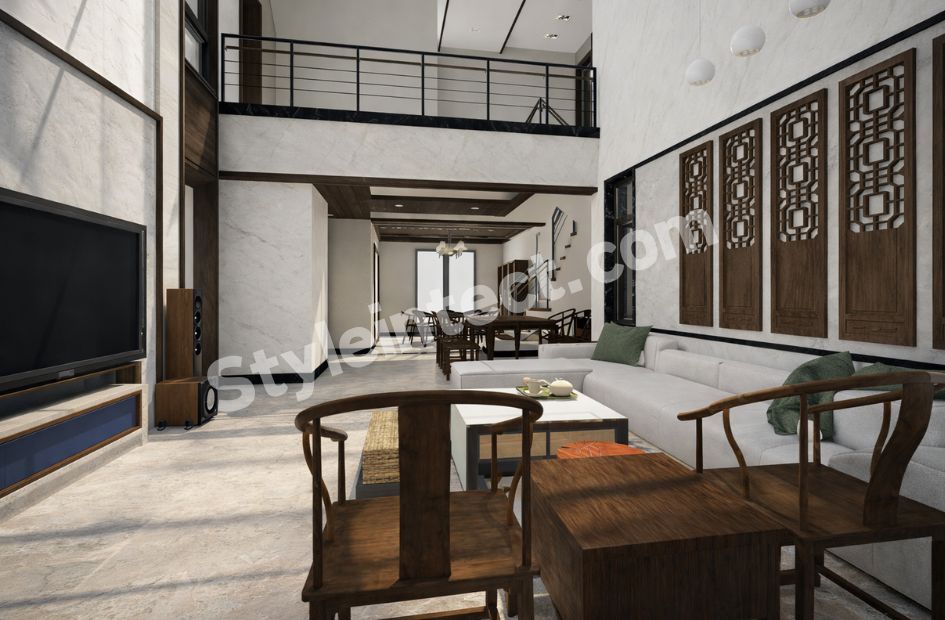
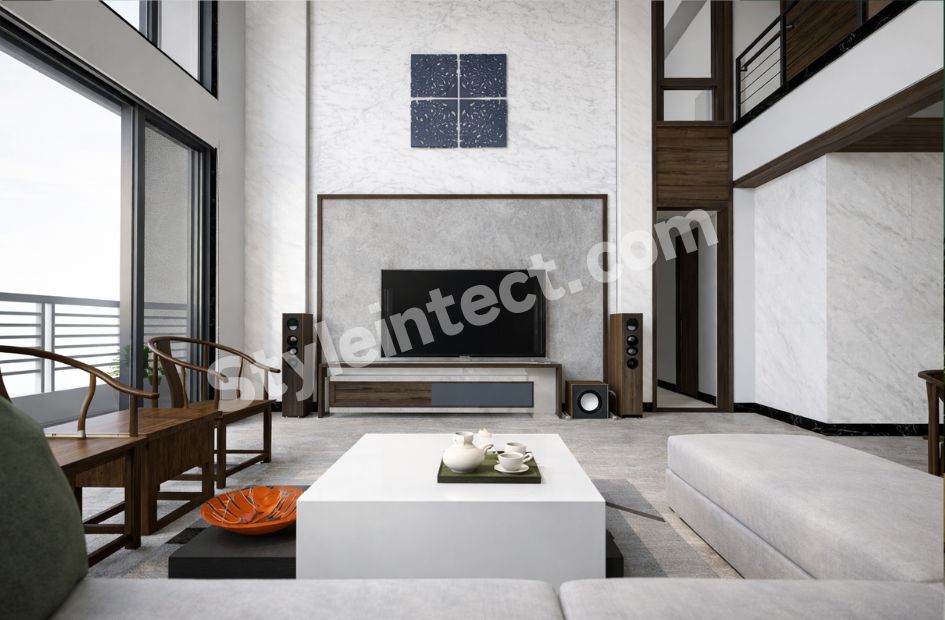
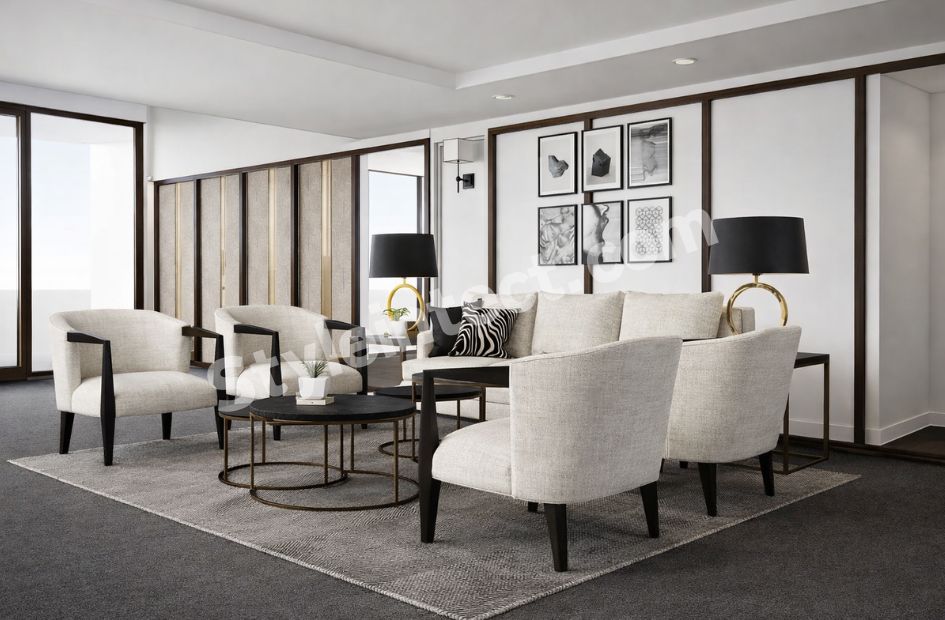
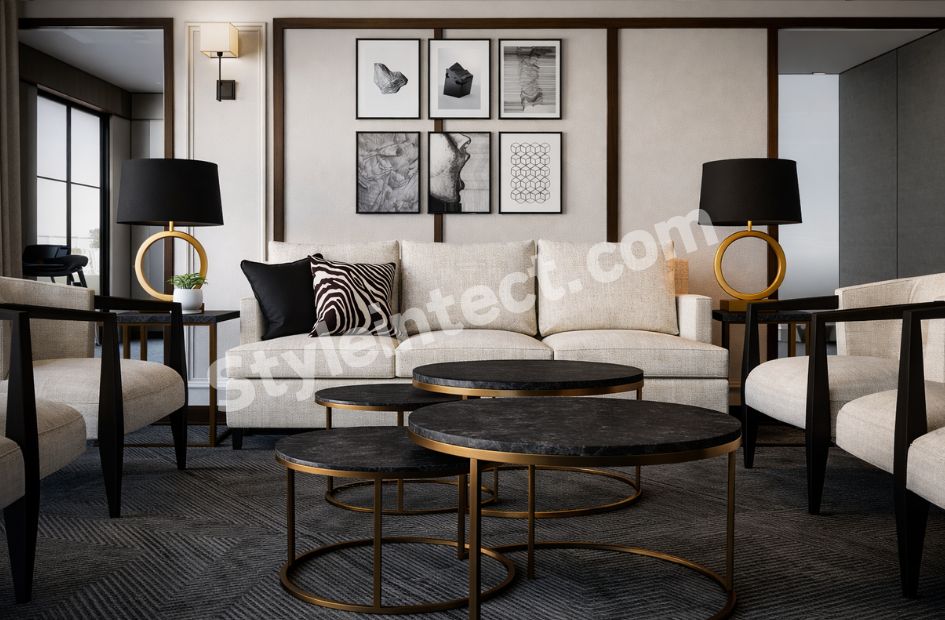
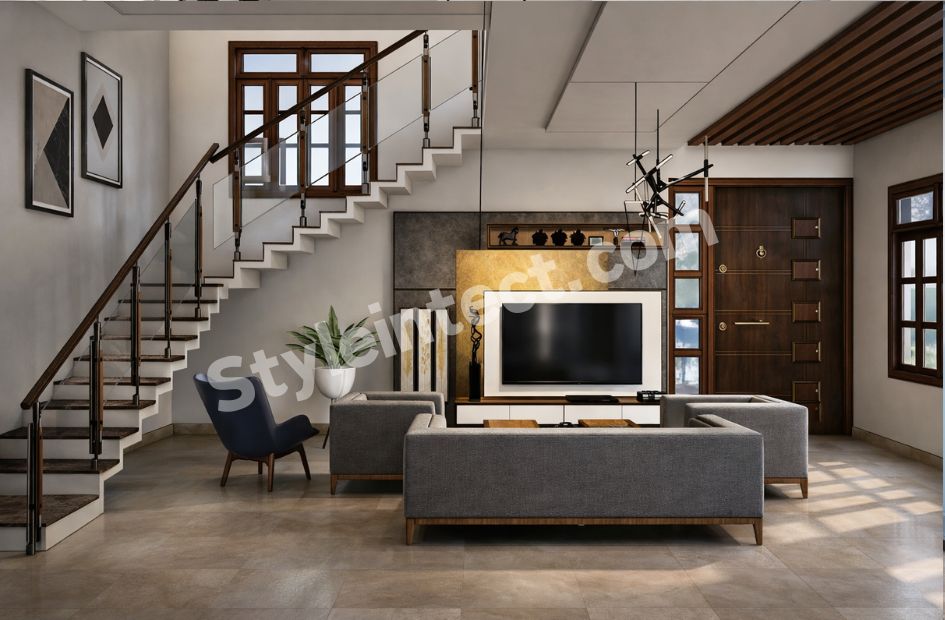
Living room layouts accommodate multiple functions while maintaining openness. Static elements like plug sockets, TV ports, and doorways require thought before furniture arrangement. Seating serves as the main focus. Sofas and armchairs should be sized appropriately to avoid overcrowding while providing adequate space for everyone.
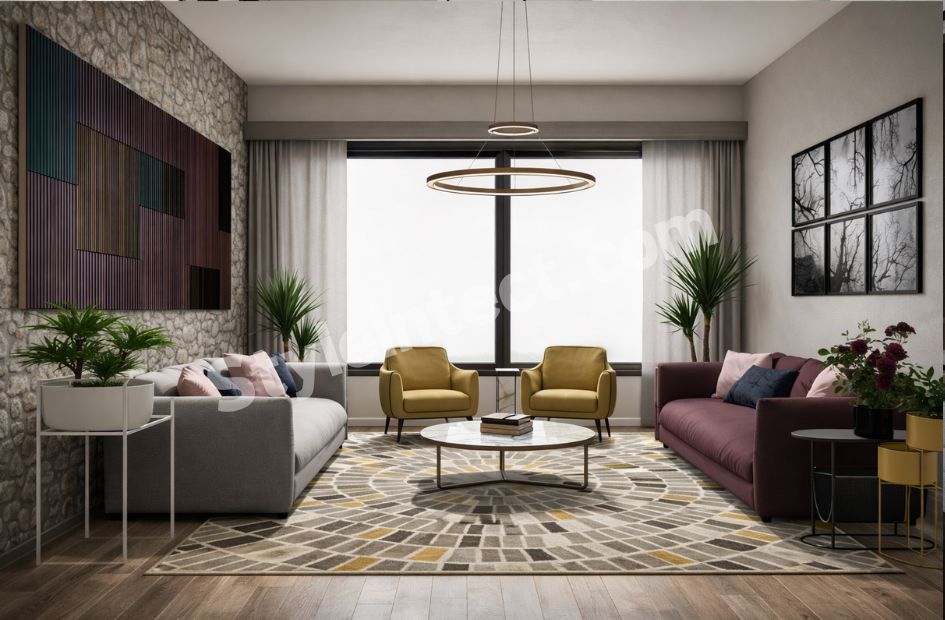
A focal point determines the dominant color scheme. Other colors work as accents once you establish this. Neutral dominant colors make matching easier. Layered lighting plays an important role. Ceiling lights or spot lighting illuminate the room or specific art pieces.
Natural light adds warmth and makes spaces feel roomier. This explains why large French windows appear frequently in modern living rooms. Sleek furniture designs with straight lines maintain an elegant, sophisticated vibe. The neutral color palette creates a modern aesthetic. Those preferring color can select muted tones of their favorite shades.
Luxury Interior Design on a Budget
Luxury surpasses price tags. The spirit of elegance evokes refinement without feeling gaudy or overly trend-focused. High-end materials tend to cost more, but smart material choices and strategic design decisions make impressive results possible on modest budgets.
Creating High-End Looks with Affordable Materials
Materials determine the overall character and ambiance of spaces. These changes are typically the most influential. Stunning surfaces evoke luxury, whatever the decor, even when natural stone remains out of reach financially.
Faux marble and stone finishes capture stately beauty at fractions of original costs. Porcelain tile can be designed to resemble marble. Elevated concrete or cement tiles achieve stone-like appearances that shock. These alternatives deliver the refined feel of natural stone without the tens of thousands in expenses that labor-intensive installations require.
Flooring alternatives provide multiple pathways to sophistication. Reclaimed wood brings warmth and deeper meaning to spaces from a sustainability viewpoint. Bamboo and cork have been among the modern interior design trends with the most staying power. Luxury vinyl plank flooring captures hardwood style affordably as vinyl flooring continues to improve. Textured laminate can mimic stone or wood appearances while being easy to maintain.
Budget-friendly fabrics upgrade spaces instantly. Linen brings natural elegance to the forefront and reveals the power of simplicity to promote serenity. Chenille and tweed both offer classic appeal without being as expensive as they appear. These fabrics influence both visual aesthetics and tactile experiences through curtains, rugs, upholstery, and bedding.
Accent Pieces and Statement Elements
Statement lighting provides one of the best ways to infuse personality without causing visual clutter. Artistic pendant lights offer opportunities for creative expression, a point often overlooked. Vintage-inspired brass styles emphasize classic aesthetics. LEDs offer precise lighting while limiting long-term costs.
Layering brings much-needed dimension and visual interest. Different textures add depth even when high-end materials feel out of reach. A neutral base forms a strong starting point. Rich accent colors can be added through textiles or decor subtly. One or two standout elements become focal points and give the impression of spaces designed carefully rather than filling rooms with many decorations.
Luxury Bedroom Interior Design Essentials
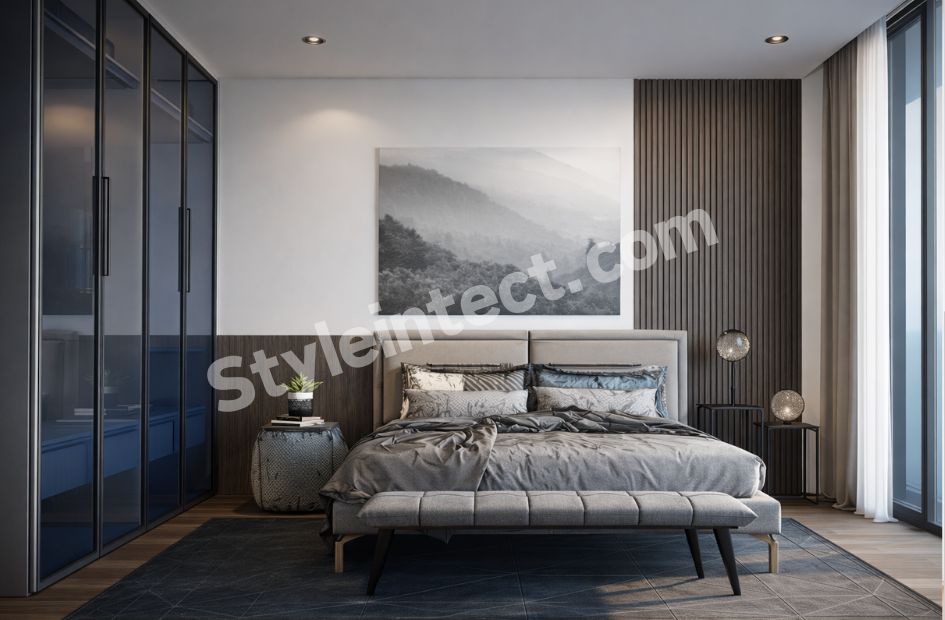
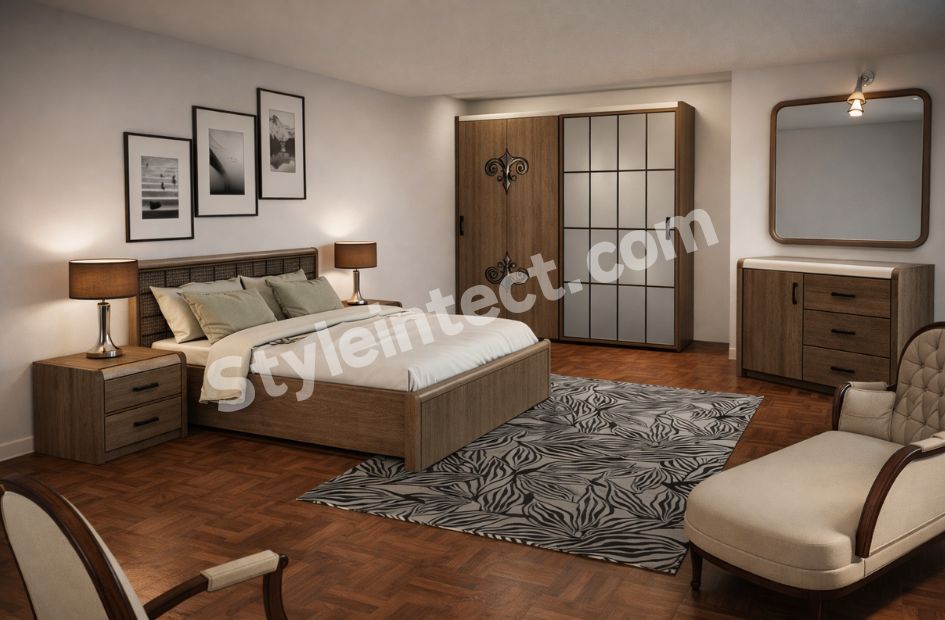
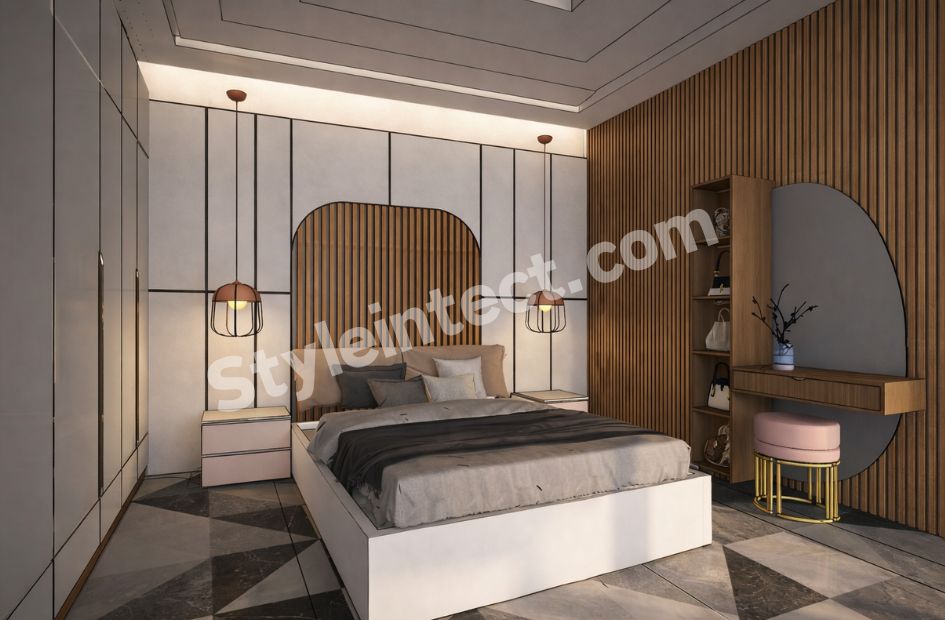
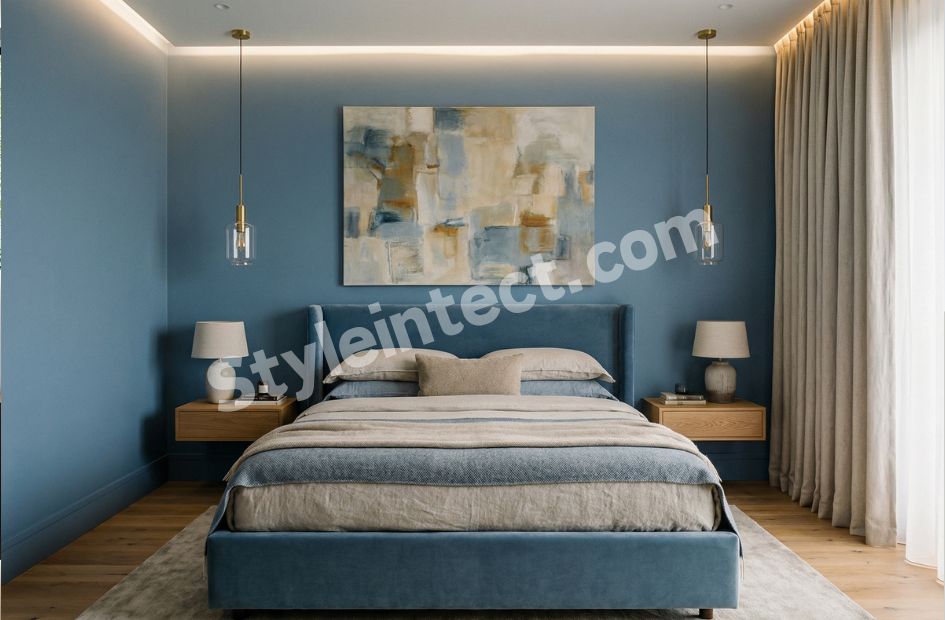
Bedroom luxury stems from cohesion, comfort, and finish rather than expensive materials. Layer your bed like a designer would:
- Stick to a color palette with neutrals like beige, ivory, and gray.
- Add fluffy pillows and comforting throws.
- Include textured elements through faux fur, knit blankets, and linen sheets
- Coordinate curtains with headboard and wall colors.
Lighting changes simple rooms into luxurious ones. Layered lighting with bedside lamps, warm bulbs, or LED strips creates a soft, cozy ambience compared to harsh overhead lights. Hidden storage keeps surfaces clean because nothing ruins luxury vibes faster than visible clutter.
Premium Finishes Without Premium Prices
Laminates have become beautiful in replicating marble, wood grains, and fabrics. Veneers provide cozy and upscale appearances at very low prices compared to solid wood. Engineered stone offers more affordable alternatives to natural stone while requiring less maintenance.
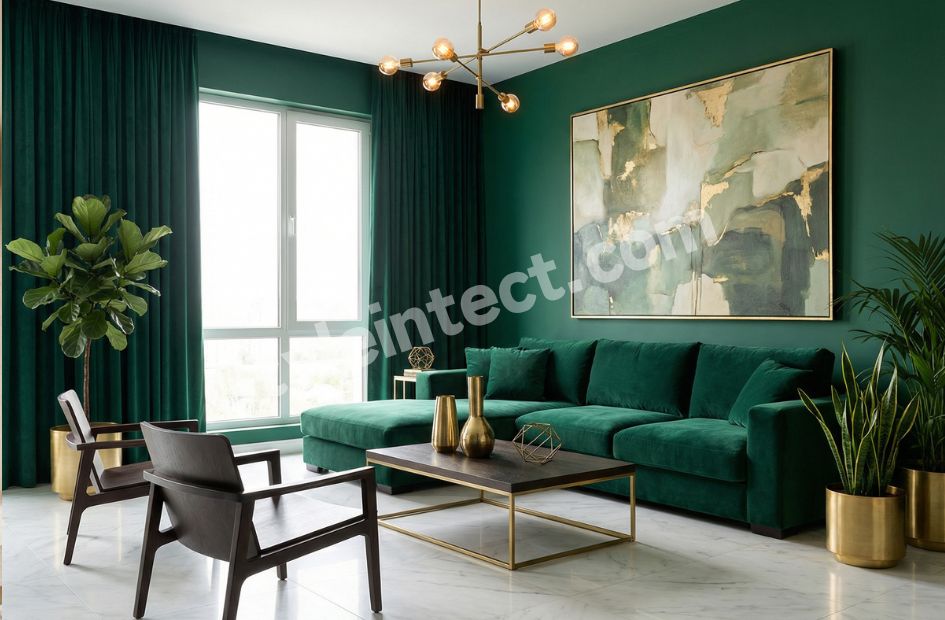
Neutral tones such as beige, taupe, off-white, and gray create eternal foundations. Match them with dark tones like emerald green or navy blue to make them richer. Matte finishes are usually more sophisticated than glossy and work well in producing subtle luxury interior design. Metallic accents in gold, brass, or matte black add elegance through light fixtures, cabinet handles, and decorative trays without requiring major investments.
Room-by-Room Affordable Design Solutions
Transforming individual rooms offers the most control over your renovation budget while delivering immediate, noticeable results. Each space presents unique opportunities for affordable upgrades that boost both function and style.
Living Room Interior Design and Decor
Plants add sculptural elements to living rooms, with low-maintenance varieties available at reasonable prices. Potted plants work as centerpieces on coffee tables, and hanging plants fill empty corners. Rearranging furniture costs nothing yet refreshes spaces. Remove unnecessary items and clear clutter. Experiment with new layouts to transform your living room.
Paint delivers tremendous effect for minimal investment. You can use it to refresh walls, update flea market furniture, or highlight architectural features. Display personal items like old portraits, framed maps, and photo collages. These make spaces feel special without expensive decor. Layering affordable area rugs from big box stores defines conversation areas and activity zones. Symmetry creates balanced, quiet corners through matching side tables and lamps.
Storage solutions keep living rooms functional. Shelving units display favorite objects while built-in cupboards conceal equipment and accessories. Experiment with extraordinary shapes on coffee tables instead of conventional stacks of books.
Bedroom Interior Design Ideas
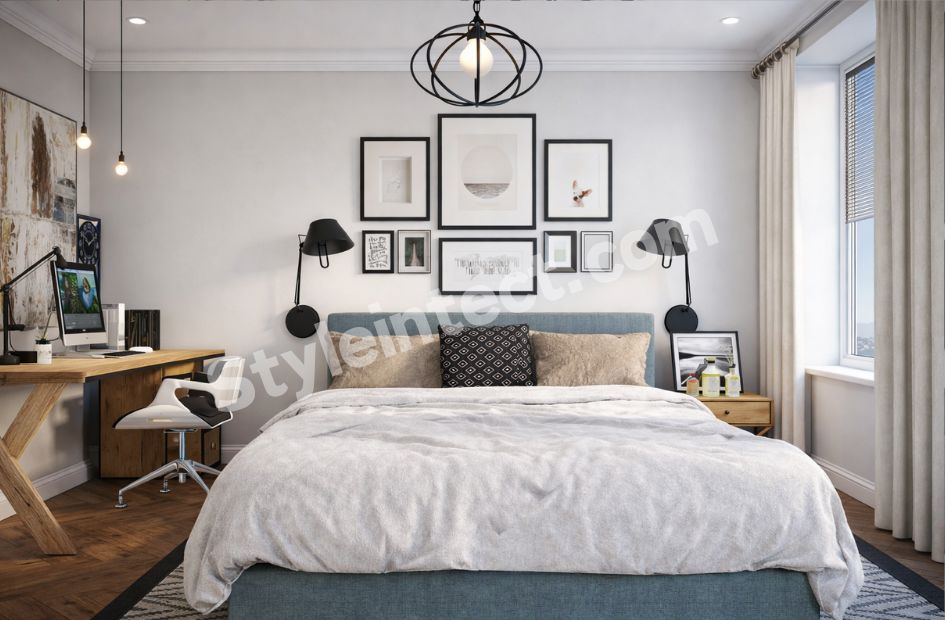
DIY fabric-covered headboards save substantial amounts compared to purchasing ready-made options. Use a staple gun with leftover fabric from prior projects. Removable murals behind beds work for renters who want change without permanent commitment. Painting arches behind beds creates faux headboard effects using extra paint.
Dark hues envelop bedrooms and create perfect spaces to relax and slumber. Layer blankets and throws, with luxe faux fur options adding instant comfort. Adjust lighting through dimmers or switch to soft sconces for cozy vibes. Pile fluffy pillows in mixed patterns for super-comfy looks. Plants purify air while pumping up comfort factors.
Mismatched nightstands add eclectic feels without requiring expensive matching sets. Wicker chairs sourced from thrift stores gain new life through spray paint. Small stools function as nightstands on tight budgets.
Kitchen and Dining Spaces
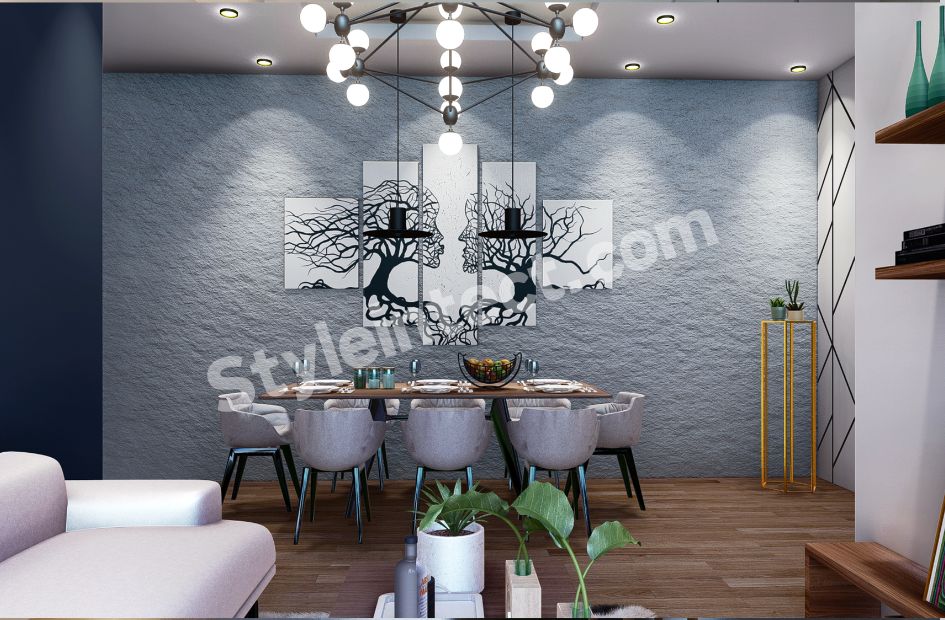
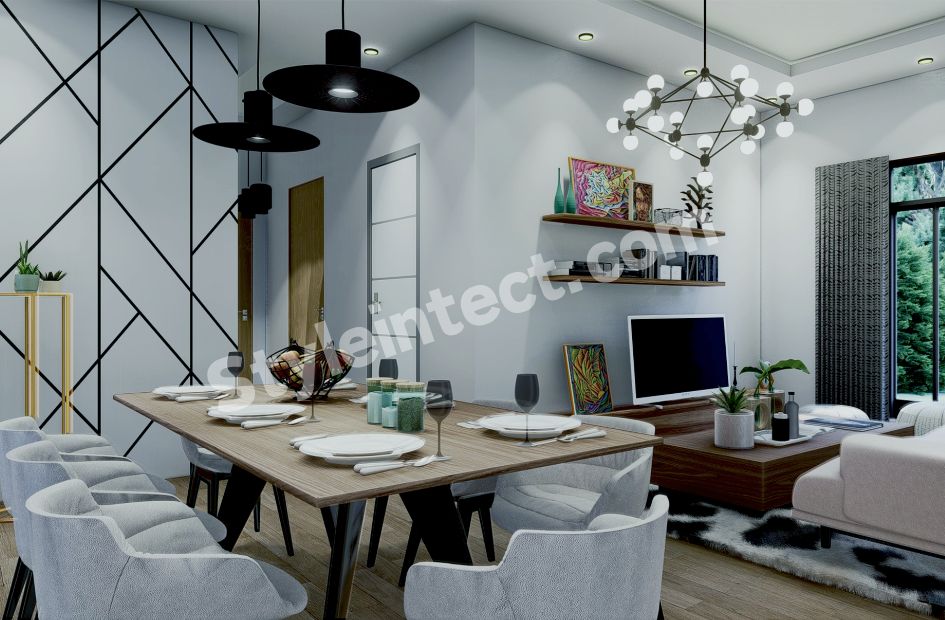
Combined kitchen and dining rooms allow easy food transfer while maximizing limited space. White color palettes with gold or metal accents create airiness without feeling boring. Zoning techniques using breakfast bars, pendant lights, or open dividers separate areas while maintaining a spacious feel.
Semi-modular kitchens adapt to existing structures with greater flexibility than fully modular options. Basic modular kitchens cost between ₹1,000 and ₹2,500 per square foot. L-shaped and parallel layouts prove more affordable than U-shaped designs. Laminates for shutters, MDF for moisture-controlled cabinets, and plywood for carcasses provide durable, affordable materials.
Recessed POP ceiling lights brighten kitchens evenly, while under-cabinet lights help during preparation. Modular accessories like spice racks near stoves, pull-out pantry units, and corner baskets reduce mess and save time.
Bathroom Redesign Options
Small bathroom renovations range from ₹25,000 to ₹1.5 lakh depending on project scope. Tile paint or waterproof stickers offer budget-friendly, mess-free alternatives to retiling. Laminate flooring mimics wood or stone without expense. Updating vanity countertops with wood or laminate plus new handles refreshes spaces.
Bathroom renovation costs vary by work type. Economical tiling runs ₹60 to ₹80 per square foot, plus ₹100 per square foot for installation, plus 18% GST. Standard tiling costs ₹150 to ₹250 per square foot, plus ₹150 per square foot for installation, plus 18% GST. Plumbing lines start at ₹28,000 plus 18% GST, while waterproofing begins at ₹12,000 plus 18% GST.
Prioritize waterproofing and professional plumbing work while saving on cosmetic items. Large mirrors make small bathrooms feel spacious. Wall-mounted vanities create floor space illusions. Good exhaust fans provide ventilation in small bathroom renovations.
The Design Process: From Consultation to Completion
Professional interior design follows a structured workflow that transforms ideas into finished spaces. Each phase helps you plan better and manage expectations throughout your home interior design journey.
Free Consultation and Needs Assessment
Our process begins with a detailed consultation and briefing. We discuss how you live, your style priorities, budget, and scope of work during this phase, which takes one to two weeks. This initial alignment prevents miscommunication and changes later. Design and execution stages can move forward with certainty.
3D Visualization and Design Concepts
After consultation, we create realistic 3D visualizations. You can preview living rooms, bedrooms, modular kitchens, and lighting before execution begins. These visualizations help you understand color schemes and furniture styles. You can make modifications before work starts, which saves both time and money. This design development phase spans three to ten weeks and includes concept creation, space planning, and detailed drawings.
Material Selection and Approval
We finalize material choices for finishes and furnishings. We consider durability, aesthetics, and budget. Cooperation with contractors and suppliers ensures selected materials align with project specifications. Material samples and on-site inspections aid informed decision-making.
Project Execution and Timeline
Procurement takes six to twelve weeks. Execution runs eight to sixteen weeks and includes carpentry, flooring, and electrical work. Installation and styling require one to three weeks.
Quality Checks and Handover
We conduct systematic execution quality audits before handover. We explore carpentry detailing, electrical installations, and surface finishing. The final walkthrough familiarizes you with the completed spaces. We explain systems and features while we address concerns.
Current Interior Design Trends for Modern and Luxury Spaces
The design landscape continues to change toward mindful choices that honor aesthetics and environmental responsibility. Understanding current interior design trends helps you create spaces that feel fresh while maintaining long-term appeal.
Sustainable and Eco-Friendly Design
Sustainable luxury embraces recovered woods, certified stones, natural fabrics, and heirloom furniture passed down through generations. The most discerning clients view sustainability as the highest quality criterion rather than a constraint in 2026. Bamboo, reclaimed wood, and recycled glass represent the most sustainable building materials available. These materials create beautiful spaces and minimize the effect on the environment.
Biophilic Design Elements
Nature integrates into home structures through Biophilic 2.0, where technology and plants work together. AI-helped indoor gardens feature slim vertical walls or hidden kitchen units that control light, watering, and feeding automatically. Courtyard-centric home styles ensure each room has windows opening to private gardens and mix outdoors with indoors. Pinterest searches for biophilic design bedroom increased by 100% from 2019 to 2021.
Multi-Functional Furniture Solutions
One piece doing two jobs means one piece is not manufactured, shipped, and discarded eventually. Multi-functional furniture addresses space constraints and supports sustainability through reduced material consumption.
Color Trends and Palettes
Dark sapphire blue, jungle green, cognac amber, terracotta, and midnight plum define luxury colors in 2026. Deep, rich, self-assured colors replace all-white luxury interiors. Wellness-focused design featuring home spa bathrooms and meditation areas represents the fastest-growing luxury category.
Conclusion
Creating beautiful interiors on a budget is within your reach. Smart material choices, phased implementation, and professional guidance revolutionize spaces affordably without sacrificing modern or luxury aesthetics. Strategic planning matters more than spending power.
Options exist for every budget and style preference, whether you need full-home interiors, room-specific updates, or modular solutions. Start with priority areas and invest in high-impact pieces. Use cost calculators for transparent pricing estimates.
Your dream home doesn’t require waiting years or breaking the bank. Begin with one room and apply these principles. Watch your vision come to life in due time.
FAQs
Q1. What is a reasonable budget for interior design services?
Interior design budgets vary based on home size and scope. For a 2 BHK, expect ₹5.5 to ₹9 lakhs, while 3 BHK projects typically range from ₹8 to ₹14 lakhs. Budget packages start at ₹ 3- ₹ 6 lakh for basic modular kitchens and wardrobes, standard packages run ₹ 6- ₹ 10 lakh with better materials, and premium options exceed ₹10 lakh with luxury finishes and customized furniture.
Q2. How much does luxury interior design typically cost?
Luxury interior design costs depend on project scale and material choices. Villa interiors spanning 3,000 to 5,000+ square feet typically cost ₹20 lakhs to ₹35 lakhs+, with rates reaching ₹2,200 to ₹3,500 per square foot. Premium packages include high-end materials, designer lighting, and custom furniture, though luxury aesthetics can be achieved on modest budgets through smart material selection and strategic design decisions.
Q3. What is the 70/30 rule in interior design?
The 70/30 rule helps create balanced color schemes in interior spaces. The dominant color should cover approximately 70% of the room, while accent colors make up the remaining 30%. This principle ensures visual harmony without overwhelming the space. Neutral dominant colors make matching easier and provide a foundation for introducing pops of color through accessories, artwork, or accent furniture.
Q4. How long does the interior design process take from start to finish?
The complete interior design process typically spans several months. Initial consultation and briefing take one to two weeks, followed by design development, including 3D visualizations over three to ten weeks. Procurement requires six to twelve weeks, while execution, including carpentry and electrical work, runs eight to sixteen weeks. Final installation and styling need one to three weeks before handover.
Q5. Can I achieve a luxury look without expensive materials?
Yes, luxury aesthetics are achievable through affordable alternatives. Laminates replicate marble and wood grains beautifully, while porcelain tiles mimic natural stone at fractions of the cost. Engineered wood delivers 30-40% savings compared to solid wood. Focus on statement lighting, layered textures, neutral color palettes with metallic accents, and matte finishes to create sophisticated spaces without premium price tags.