
Modern Bedroom Wardrobe Designs
Explore modern bedroom wardrobe design ideas, sliding wardrobes, walk-in closets, modular storage, materials, finishes, and smart organization solutions.
Bedroom Wardrobe Design - Modern Storage Solutions for Elegant Homes
The right wardrobe design can turn a cluttered bedroom into a sanctuary. Compact homes demand that every inch counts, and wardrobe designs for bedrooms help maximize space without compromising on style. Modern wardrobe design combines sleek aesthetics with smart storage and offers the perfect blend of functionality and elegance. This piece explores various wardrobe design options for bedrooms, from sliding wardrobe design to wooden almirah design. We show you how to create wardrobe interior design that meets your storage needs and enhances your bedroom’s overall appeal.
What is Modern Bedroom Wardrobe Design
“Design is not just what it looks like and feels like. Design is how it works.” — Steve Jobs, Co-founder of Apple Inc.
Modern bedroom wardrobes have evolved way beyond the bulky wooden box-style units that once dominated our rooms. A bedroom wardrobe design serves as an extensive storage unit that holds clothing, accessories, and personal items. It comes equipped with hanging rods, drawers, shelves, and compartments for organized storage. What sets modern wardrobe design apart is the fusion of aesthetics and practicality, where storage solutions adapt to your space, needs, and personal style priorities.
Defining Contemporary Storage Solutions
Contemporary wardrobe design represents a move from traditional storage thinking. We’re looking at handleless shutters, mirrored finishes, open shelving, and dual-tone designs that define current trends. Matte textures paired with wood laminates create visual interest, and smart internal organizers like pull-out trays and soft-close drawers add functional value.
The modular approach has changed how we think about bedroom storage. These wardrobes employ pre-engineered parts that combine into adaptable systems and install faster than custom work while suiting homes that may change over time. Customization stands at the core of modern wardrobe design for bedroom spaces. You can select the shape, size, layout, materials, and color, along with the number of storage compartments and hanging space that line up with your specific requirements.
Materials vary to suit different aesthetic priorities. Wardrobes are made of wood, laminate, glass, or metal, and each provides a unique feel and look. Whether you prefer a wooden almirah design for warmth or sleek laminates for a modern appearance, material choice affects both durability and visual appeal.
How Wardrobe Design Improves Bedroom Functionality
A well-designed wardrobe does more than store belongings. It dictates spatial circulation and serves as an architectural feature that anchors the room’s visual weight. The right modern wardrobe design brings proportion, light, and reach together in a way that supports daily routines.
Storage efficiency starts with interior organization. The wardrobe interior design should match your storage choices and ensure efficient arrangement with features like drawers for smaller items, shelves for folded garments, and hanging rods for clothes. Some configurations include adjustable shelves, jewelry compartments, and shoe racks, making it easier to arrange different items in a single unit. Pull-out trouser racks, hidden compartments, and secret lockers for valuables add layers of functionality.
Smart features lift usability. LED lights inside make it simpler to locate items in dimly lit rooms, and lockable compartments provide secure storage for valuables. Built-in mirrors add convenience to daily routines, reducing the need for separate dressing mirrors and providing more visual depth to the room.
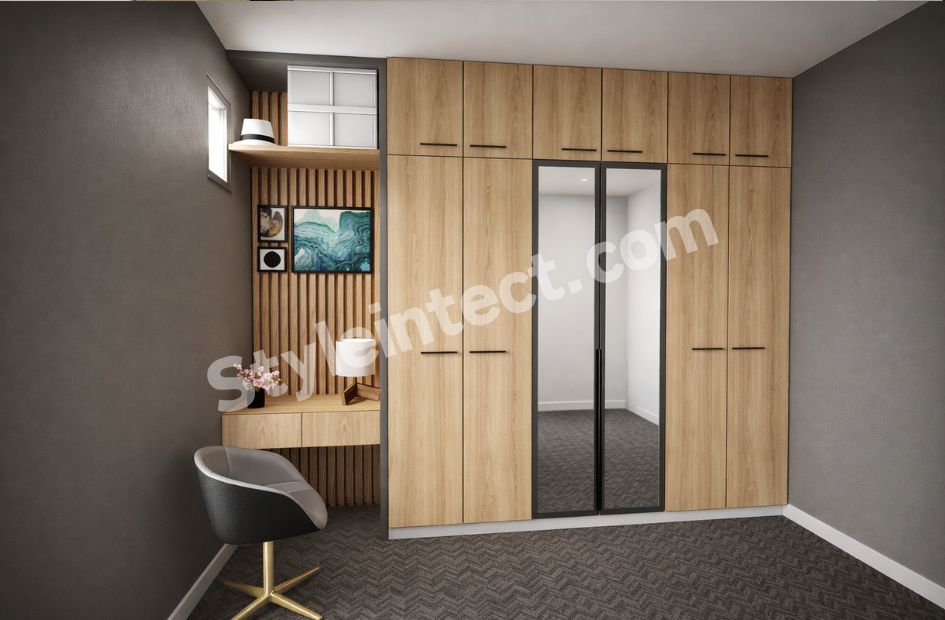
Space optimization remains a primary concern, especially when you have compact bedrooms. Sliding wardrobe design proves ideal for small spaces where doors glide smoothly without occupying clearance space. Mirrored shutters reflect light and create openness, making rooms appear brighter and more spacious. Floor-to-ceiling wardrobes maximize vertical storage and turn cramped bedrooms into organized retreats while creating a tidy, built-in aesthetic.
Types of Wardrobe Designs for Different Needs
Choosing the right wardrobe type depends on your room dimensions, lifestyle, and how you prefer accessing your belongings. Each configuration brings distinct advantages that address specific storage challenges.
Sliding vs Hinged Door Wardrobes
The door mechanism you select affects both space usage and daily functionality. Sliding wardrobe designs operate on horizontal tracks. This makes them perfect for compact bedrooms where furniture sits close to storage units. Doors glide sideways rather than swinging outward, so you gain flexibility in furniture placement without worrying about clearance zones.
Hinged wardrobe doors open outward at 90-degree angles and require at least 60cm of clear space in front. This traditional mechanism provides complete wardrobe access when doors swing wide. You can view all sections at once. Hinged doors deliver superior visibility for couples sharing storage or anyone who prefers seeing their entire wardrobe at once.
Maintenance requirements differ between both systems. Sliding mechanisms need periodic track cleaning to prevent dust buildup that obstructs smooth movement. Hinged doors require occasional hinge adjustments but operate on simpler mechanics. Hinged systems prove less expensive cost-wise since hinges cost far less than quality sliding tracks. Sliding doors offer modern aesthetics that complement contemporary bedroom design, though.
Built-in and Freestanding Options
Built-in wardrobes are custom-made to fit exact room dimensions and run from floor to ceiling and wall to wall. They handle awkward spaces like sloping ceilings and chimney breasts. This maximizes every available inch without gaps. The tailored approach creates architectural looks that flow naturally while accommodating custom internal configurations around your clothing priorities.
Freestanding wardrobes function as movable furniture pieces. They bring character and flexibility. You can reposition them during room redesigns or relocate them to new homes. Renters benefit from this portability since freestanding units can move between apartments. They also cost less upfront and install faster than built-ins.
Built-in units remain permanent fixtures that cannot move with you. They involve higher costs but add property value and create floor-to-ceiling storage that makes rooms feel larger. Freestanding options leave unused gaps above and around them, which reduces storage efficiency in smaller spaces.
Walk-in Closet Designs
Walk-in wardrobes transform entire rooms into dedicated dressing areas. They require a minimum depth of 120 cm, with about 60cm for storage and 60cm for walkway space. Layout selection depends on room dimensions and storage requirements.
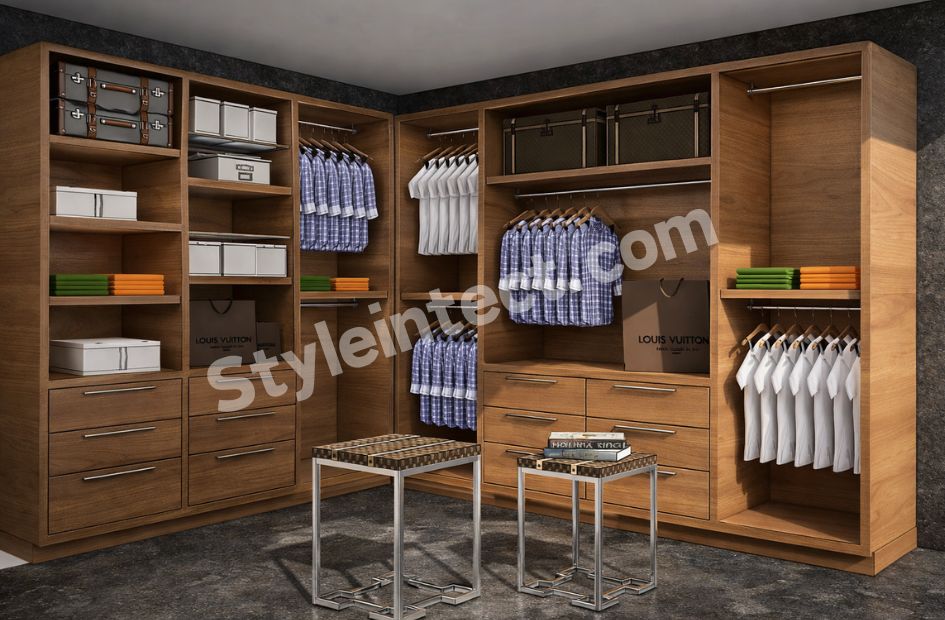
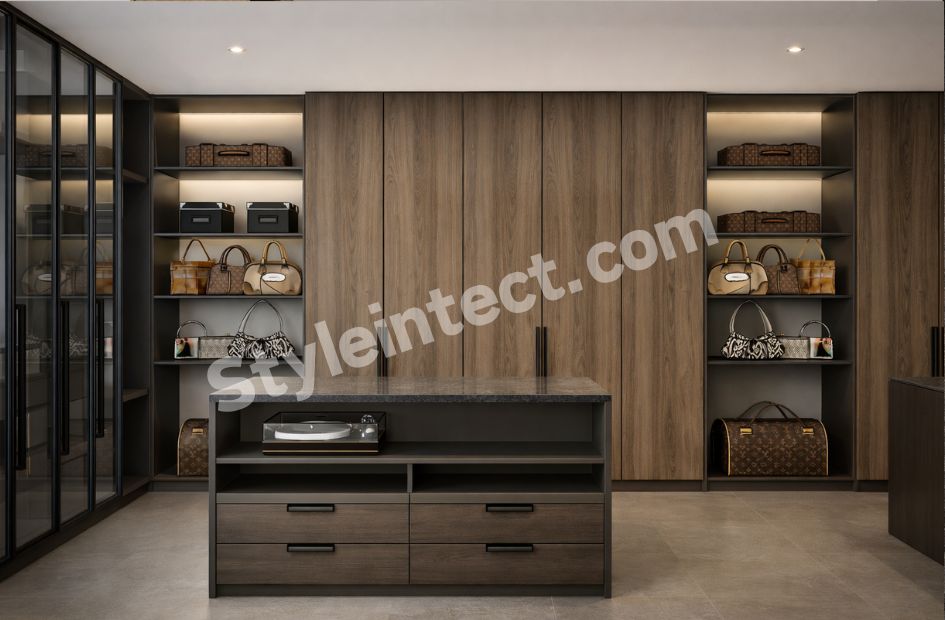
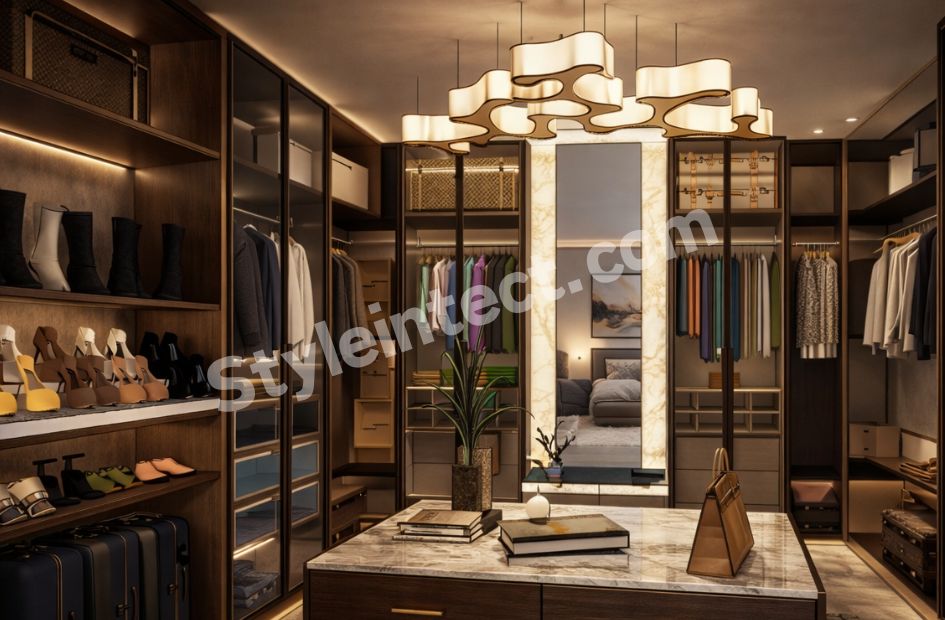
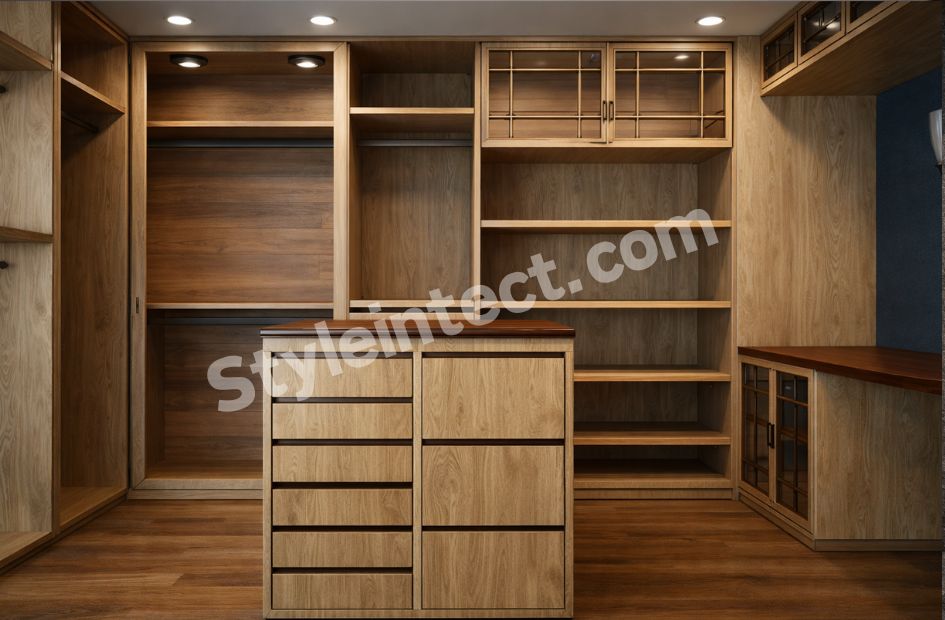
Straight layouts place storage along one wall, perfect for narrow spaces. L-shaped configurations use two walls and suit medium to large closets. They leave open areas for dressing. U-shaped designs span three walls and provide extensive storage for larger closets or converted small bedrooms. Island layouts feature central storage units, ideal for organizing jewelry and accessories. Boutique configurations mimic upscale retail stores with open shelving, glass cabinets, LED lighting, and premium finishes for those wanting to display their wardrobe collection.
Modular Wardrobe Systems
Modular wardrobes employ pre-engineered components that assemble and disassemble easily. These sleek units customize internal layouts to match your storage habits, unlike bulky traditional almirahs. You can configure more hanger space and trouser racks if you wear mostly formal attire. Shared wardrobes let couples personalize separate sections according to individual needs.
These systems install in one to two days with minimal dust and no on-site cutting. Factory-made fittings include soft-close hinges, full-extension drawers, and specialized accessories like saree rods and shoe shelves. You can disassemble and reinstall modular units in new homes. This makes them suitable for rented apartments or transferable jobs.
Corner and Wall-Mounted Solutions
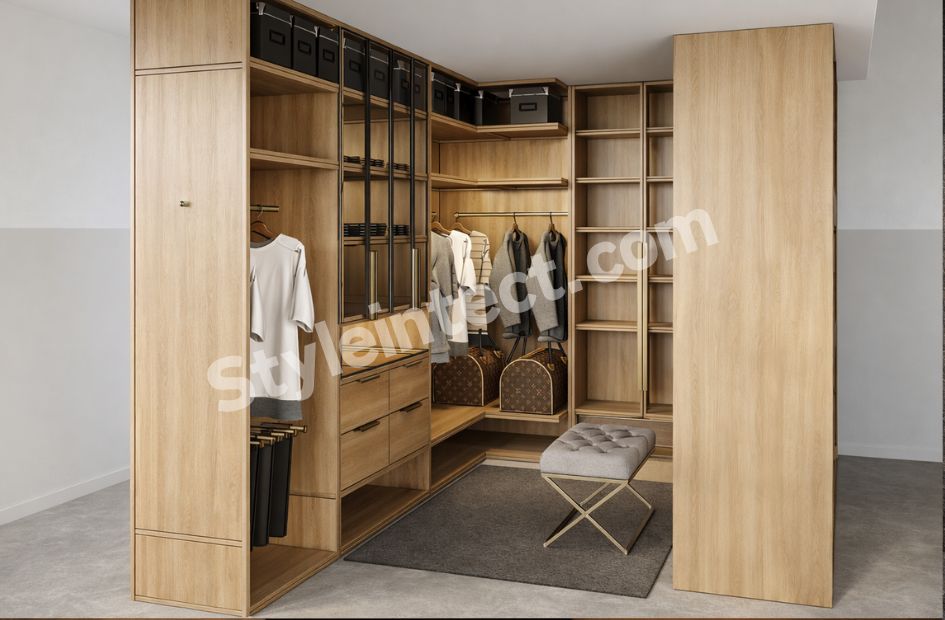
Corner wardrobes maximize awkward spaces that go unused. L-shaped corner wardrobe designs fit naturally into unused corners and prove effective in smaller rooms. Position full hanging in corner bays for items needing less frequent access, like coats and dresses. Keep drawers one bay away to prevent access blockages. Shallow 300mm bays work well on return walls for shoes and folded items.
Wall-mounted wardrobes save floor space and create an airy ambiance. Entry-level options start around ₹16,876, and high-end models exceed ₹1,26,570. Material quality, design customization, size, and brand reputation influence final costs.
Selecting the Right Wardrobe Design for Your Bedroom
Successful wardrobe planning begins with accurate assessment rather than impulse purchases. Physical constraints, aesthetic priorities, storage habits, and financial limits all shape which wardrobe design for bedroom spaces works best for your home.
Measuring Your Space and Planning Layout
Accurate measurements prevent expensive mistakes and delivery complications. Start by measuring the width of the wall where your wardrobe will sit. Take three readings at floor level, mid-height, and near the ceiling since walls rarely run straight. Record the smallest measurement as your maximum wardrobe width. Measure the ceiling height on the left, center, and right sides of the space. Floors can be uneven, especially in older homes, so the smallest height measurement determines your wardrobe dimensions.
A two-door hinged wardrobe just needs a minimum of 800 mm wall length, while sliding doors require at least 6 feet. Depth matters just as much. Standard 1.5 feet depth is enough if you fold clothes, but hanging coats, blazers, or saris demands 2-foot-deep frames. Wardrobe height varies between 7 and 8 feet, as anything lower affects ergonomic design and storage capacity.
Door clearance zones need careful attention. Hinged doors just need 90- 100 cm of clear floor space to swing open. Sliding doors eliminate this requirement but make the wardrobe frame a bit deeper. Walk around your proposed wardrobe footprint and confirm furniture placement won’t obstruct door operation or room circulation.
Check for obstacles like plug sockets, light switches, radiators, window boards and vents. Measure distances from the nearest wall or floor to each obstruction. Skirting boards affect how flush wardrobes sit against walls, so measure their height and projection depth. Rooms with sloped ceilings, alcoves, or chimney breasts need measurements at multiple points since the shape varies.
Matching Wardrobe Style to Bedroom Decor
Your wardrobe should improve rather than clash with existing interiors. Timeless neutral shades like white, beige, and gray brighten rooms and create a spacious feel. Rich tones such as walnut, charcoal, and deep blue add depth and sophistication to modern wardrobe design. Warm wooden finishes in oak or teak bring natural warmth, while trendy pastels like mint green and blush pink in high-gloss finishes add subtle contemporary style.
Contemporary interiors pair well with minimalist wardrobes that feature handleless shutters and glossy finishes. Ethnic styles complement wooden almirah designs paired with traditional elements. Fusion interiors blend modern wardrobes with rustic textures for added character. Match your wardrobe finish to bedroom tiles and flooring. This ensures visual cohesion throughout the space.
Storage Needs Assessment
Wardrobe interior design planning starts with an honest inventory assessment. Empty your current closet and group belongings into categories: long-hanging items like dresses and coats, short-hanging items like shirts, folded items, shoes, bags, and accessories. Count each category to understand actual requirements. As a guideline, 20 standard shirts require around 1 meter of hanging rail space.
If your wardrobe contains mostly folded T-shirts and jeans, prioritize shelving spaced 30- 35 cm apart over extensive hanging zones. Undergarments and accessories just need drawers with internal dividers to prevent jumbled piles. Think about future needs, especially if you’ll share the wardrobe with a partner or if your clothing collection tends to grow.
Budget Considerations for Different Designs
Wardrobe costs in 2026 range from ₹850 to ₹3,200 per square foot. This depends on structural material, shutter finish, and hardware quality. These three components account for roughly 50-60% of the total wardrobe cost. Sliding door wardrobes cost more than hinged options because of track hardware but work better for compact bedrooms.
Master bedroom wardrobes feature premium specifications with BWR or HDHMR framework, laminate or PU shutters, and soft-close hardware. Kids’ rooms work well with laminate finishes that hide scuffs and require less maintenance. Guest bedrooms see minimal daily use. This makes MR plywood or particleboard with a laminate finish a sensible, economical choice.
Walk-in wardrobes built into dedicated 6×8 feet spaces cost ₹1 lakh to ₹3 lakhs. The price depends on internal material mix, including plywood shelving, glass sections, drawer units, and lighting. Budget-friendly laminate wardrobes start around ₹12,000, MDF options begin at ₹10,000, and plywood wardrobes start from ₹15,000.
Wardrobe Interior Design and Organization
Interior organization separates functional wardrobes from frustrating ones. You can invest in premium materials and elegant shutters, but without thoughtful wardrobe interior design, daily access becomes a struggle. Smart internal planning transforms empty boxes into efficient systems where every item has its designated place.
Creating Efficient Storage Zones
Zone-based organization streamlines wardrobe use. Break your wardrobe into three distinct areas: hanging zones for wrinkle-prone garments, folded zones for sturdy items, and accessory zones for smaller belongings. Hanging zones should accommodate different garment lengths by placing rods at varying heights. This vertical layering maximizes space utilization.
Pull-out drawers rank among the most functional wardrobe internal accessories available. Designed for smooth access and maximum visibility, they work well for storing innerwear, accessories, watches, and daily essentials. These drawers maintain order while preserving a clean, luxurious appearance within your wardrobe interiors.
Shoe racks integrate naturally into both compact and spacious wardrobe designs. To name just one example, multi-tier shoe racks accommodate collections of any size. Jewelry organizers protect valuables while keeping them on display, preventing tangling, scratches, and damage. Tie and belt holders bring order to accessories by keeping everything neatly arranged and easy to locate.
Customizing Shelves and Hanging Rods
Adjustable shelves provide unmatched versatility in wardrobe planning. They allow customization of shelf heights according to changing storage needs and accommodate folded garments, bags, and seasonal wear. This flexibility ensures long-term usability without compromising accessibility.
Hanging rods remain vital for maintaining wrinkle-free clothing. Designed to support different garment lengths, these rods ensure proper spacing and easy access. Double-rod systems and reinforced hanging solutions prove effective for maximizing vertical wardrobe space. Adjustable configurations adapt as your clothing collection evolves.
Adding Smart Features and Accessories
Smart wardrobe storage solutions integrate modular design and innovative engineering to redefine organization. Features like pull-out systems, concealed compartments, and adaptable modules ensure every item has its designated place. Soft-close mechanisms provide long-lasting hinges that prevent slamming. Material selection plays a significant role in durability, with popular choices including engineered wood, solid wood finishes, and metal fittings.
Lighting Inside Your Wardrobe
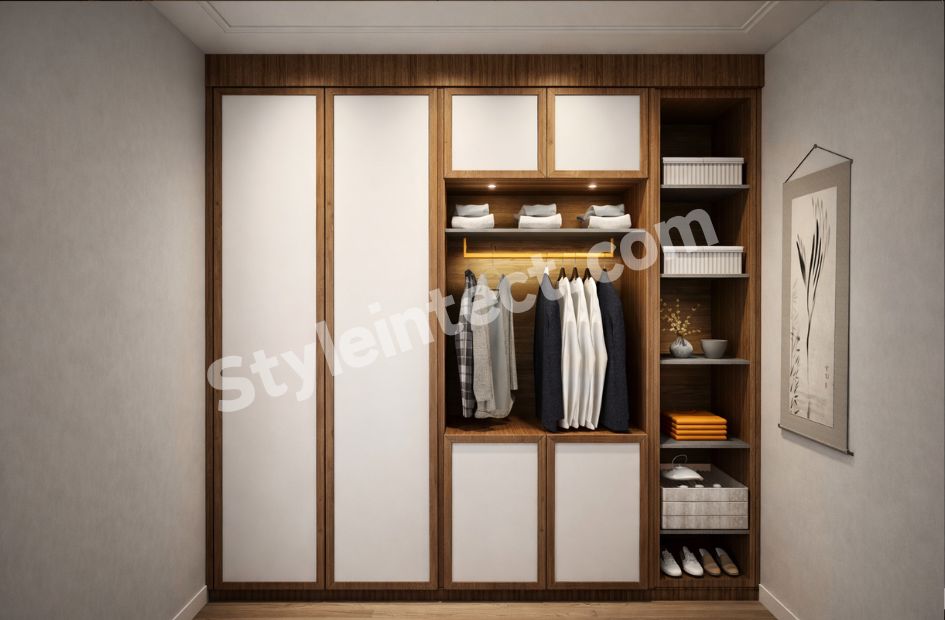
Proper lighting transforms wardrobe functionality. Motion-sensor lights activate when doors open and switch off when closed, eliminating switches and wasted energy. LED strip lights installed along inner edges of shelves and hanging panels create a soft, even glow that eliminates shadows across every section. LED lighting adds premium aesthetics that make even mid-range wardrobes look high-end.
Walk-in wardrobe lighting combines ambient lighting with focused task lighting and uses recessed ceiling lights, under-shelf LEDs, and soft accent panels. Battery-powered lights offer easier installation than wired options while providing clear visibility. Integrated wardrobe lighting solutions include LED strip lights, motion sensor lighting, and soft ambient illumination. These improve visibility while adding a premium touch to your wardrobe design.
Materials and Finishes for Elegant Wardrobes
“When selecting wardrobe materials, consider durability and moisture resistance. Plywood is a great all-rounder, while laminates add a stylish finish. Always balance functionality with aesthetics for the best results.” — Tasneem Arsiwala, Studio Manager at Design Cafe Studio, Thane, Mumbai.
Material selection defines your wardrobe’s character and longevity. Surface finishes create the first impression, while substrate quality determines performance over decades of daily use.
Wooden Almirah Design and Natural Textures
Natural wood finishes create warmth that few materials match. Oak, walnut, cherry, and teak feature distinctive grain patterns and inherent color variations that bring organic charm to bedroom spaces. Solid wood’s natural appeal pairs well with open-pore sealers or soft sheen varnishes that preserve texture without excessive shine.
Wooden veneers provide rich, natural looks at available price points. Veneers in walnut, teak, or ash add depth that lasts over time. Wood-grain laminates deliver premium wooden almirah design aesthetics without constant repair requirements. Textured laminates mimic wood, fabric, or stone surfaces and add scratch and abrasion resistance.
High-Gloss and Matte Laminate Options
Surface finish choice affects both maintenance and visual effect. High-gloss laminates reflect light and create polished, premium appearances that brighten spaces and make compact rooms feel larger. Their reflective surfaces boost artificial lighting, which makes them work well for sliding wardrobe design in smaller bedrooms.
Matte laminates absorb light and deliver calm, contemporary looks with velvety textures. Matte surfaces hide scratches from hangers and daily contact on bedroom wardrobes while concealing fingerprints that gloss surfaces show. Gloss wardrobes need regular polishing with microfiber cloths, whereas matte finishes require simple dry or damp wiping.
Many modern wardrobe design schemes mix both finishes and use matte body panels with gloss profile strips or alternating shutter panels. Gloss opens space for bedrooms under 120 square feet, while matte creates depth in larger rooms above 150 square feet.
Glass Panels and Mirrored Surfaces
Glass transforms wardrobe aesthetics through varied textures and transparency levels. Lacquered glass sliding wardrobes offer 216 RAL shades from mellow yellows to striking blues, with smooth glossy finishes that exude luxury. Frosted or tinted glass maintains privacy. Etched glass diffuses light and provides semi-transparent effects with elegant texture. Fluted glass creates refined looks with vertical ribbing, while fabric encased between glass layers renders natural finishes that complement Japandi and bohemian styles.
Mirrored wardrobes reflect light and create openness that makes rooms appear brighter and more spacious. They function as full-length mirrors and eliminate separate dressing mirrors while adding sophistication. Modern glass wardrobes use toughened or tempered glass engineered to be durable and resistant to scratches and minor impacts.
Durable Materials for Long-Lasting Use
Substrate choice determines structural integrity. BWP-grade plywood handles extreme moisture without swelling or delaminating, which makes it suitable for most homes. MDF provides smooth, paint-ready surfaces ideal for premium finishes but performs poorly in humid conditions. Solid wood lasts decades with proper maintenance, though it reacts to humidity and temperature changes.
Latest Wardrobe Design Trends for Modern Homes
Wardrobe trends are shifting toward technology, personalization, and sustainability. Understanding what drives current design priorities helps you create storage that remains relevant for years.
Stylish Modern Wardrobe Design Features
Multi-functional wardrobe designs maximize space use through adjustable storage spaces and dedicated drawers for accessories and shoes. Movable shelves add flexibility. Motion-sensor LED lighting activates as doors open and illuminates contents while helping you see true colors. Built-in charging stations with discreet USB ports and electrical outlets are integrated into shelving for charging devices.
Fluted panels add architectural interest. They break flat surfaces with vertical ribbing that creates depth and shadow. Handleless designs or slim handles maintain sleek appearances. Dual-tone designs combine neutral tones like white with warm wood accents. Bold contrasts such as navy blue with gold handles also work well.
Color Trends and Combinations
Neutral palettes using beige, taupe, greige, and warm whites remain popular. They make rooms feel more spacious. Two-color combinations create visual dynamics. Popular pairings include white and walnut, beige and coffee brown, and gray with wood textures. Half-and-half designs feature lighter upper sections and darker lower panels. This creates height illusions.
Space-Saving Innovations
Floor-to-ceiling wardrobes eliminate wasted space and create cleaner visual lines. Corner wardrobes use areas that typically go unused. They work especially well in smaller rooms.
Sustainable and Eco-Friendly Options
Eco-friendly wardrobes use sustainable wood and recycled materials. Low-VOC finishes complete the package. Reclaimed wood and bamboo provide environmentally conscious alternatives.
Conclusion
A well-laid-out wardrobe transforms your bedroom from cluttered to organized while elevating your home’s aesthetic appeal. You can find the perfect solution that matches your space constraints and storage needs from the many options available, from sliding wardrobe designs to walk-in closets and modular systems.
Measure your space and assess your storage habits before making your final choice. Think over your budget, preferred materials, and how the wardrobe will complement your existing decor. In fact, the right modern wardrobe design brings together style and functionality in ways that simplify your daily routine.
Start planning your ideal wardrobe today and watch your bedroom become the organized sanctuary you’ve always wanted.
FAQs
Q1. What are the main differences between sliding and hinged wardrobe doors?
Sliding doors glide horizontally on tracks and are ideal for compact bedrooms since they don’t require clearance space in front of the wardrobe. Hinged doors swing outward at 90-degree angles, needing at least 60cm of clear space, but they provide complete visibility of the wardrobe’s contents when fully opened. Sliding mechanisms are more expensive due to track hardware but offer a modern aesthetic, while hinged doors are more affordable and operate on simpler mechanics.
Q2. How much space do I need for a walk-in closet?
A walk-in closet requires a minimum depth of 120cm, with approximately 60cm allocated for storage units and 60cm for the walkway space. The layout can vary based on room dimensions—straight layouts work for narrow spaces, L-shaped configurations suit medium to large closets, U-shaped designs span three walls for extensive storage, and island layouts feature central storage units ideal for organizing accessories.
Q3. What materials are best for bedroom wardrobes in terms of durability?
BWP-grade plywood is highly durable and handles extreme moisture without swelling, making it suitable for most homes. Solid wood lasts decades with proper maintenance, though it reacts to humidity and temperature changes. MDF provides smooth surfaces ideal for premium finishes but performs poorly in humid conditions. For surface finishes, laminates offer scratch resistance, while natural wood veneers provide rich aesthetics at accessible price points.
Q4. How can I maximize storage in a small bedroom wardrobe?
Maximize storage by using floor-to-ceiling designs that utilize vertical space, installing adjustable shelves for flexibility, and incorporating double-rod hanging systems for different garment lengths. Add pull-out drawers for accessories and smaller items, use corner wardrobes to utilize awkward spaces, and consider sliding doors that don’t require clearance space. Multi-tier shoe racks and specialized organizers for jewelry, ties, and belts help keep everything organized without wasting space.
Q5. What are the current trends in modern wardrobe design?
Current trends include multi-functional designs with adjustable storage spaces, motion-sensor LED lighting that activates when doors open, and handleless or slim-handle designs for sleek appearances. Dual-tone color combinations like white with walnut or gray with wood textures are popular, along with fluted panels that add architectural interest. Sustainable options using eco-friendly materials, reclaimed wood, bamboo, and low-VOC finishes are increasingly preferred by environmentally conscious homeowners.